Planning Your Smoky Mountains Adventure
Great Smoky Mountains National Park attracts over 13 million visitors annually, making it America's most visited national park. Whether you're planning your first trip or returning for another visit, our comprehensive guides help you make the most of your time in the Smokies.
Best Times to Visit
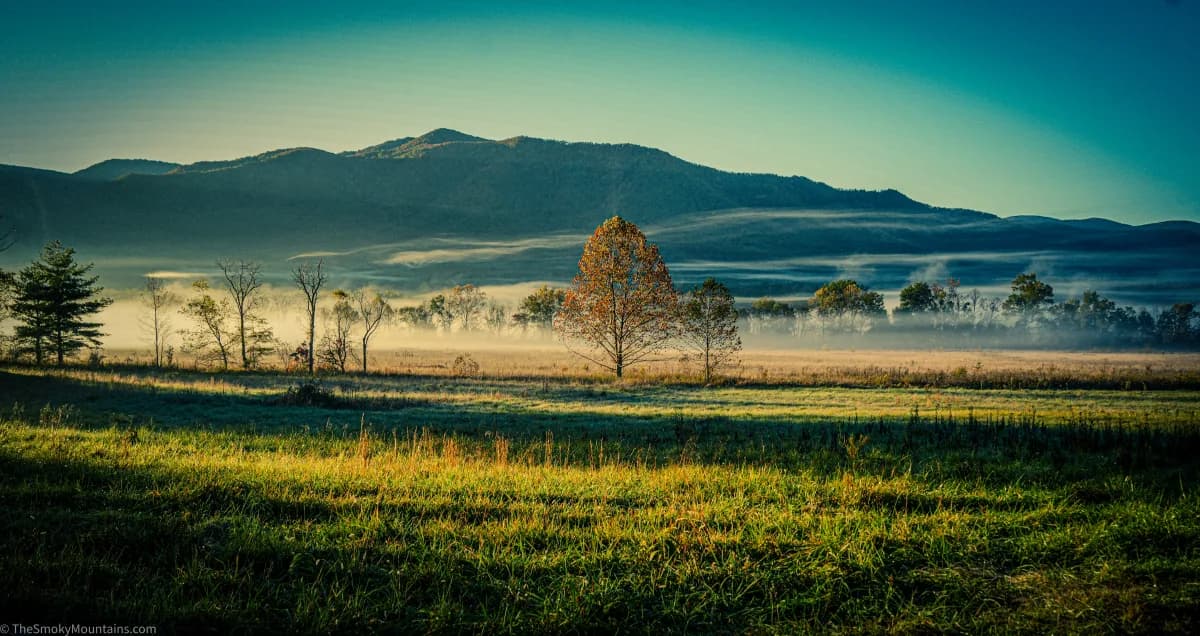
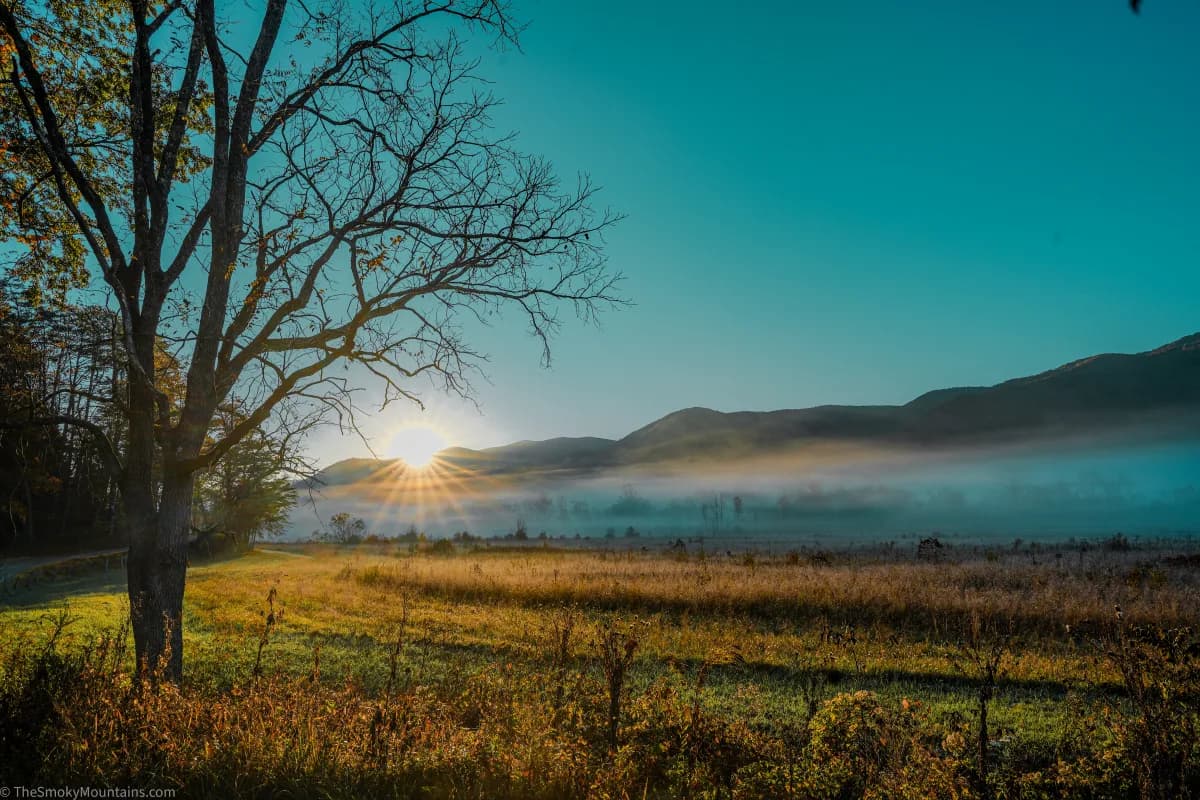
The Smoky Mountains offer distinct experiences across all four seasons. Fall (October) brings spectacular foliage with vibrant reds, oranges, and yellows blanketing the mountainsides. Peak fall color typically occurs mid-October, drawing massive crowds and premium accommodation prices. Book 3-4 months in advance for October visits.
Spring (April-May) showcases wildflower blooms throughout the park, with over 1,500 flowering plant species. Temperatures range from 60-75°F, ideal for hiking. Spring break weeks see increased traffic, but late April and May offer excellent conditions with fewer crowds than summer or fall.
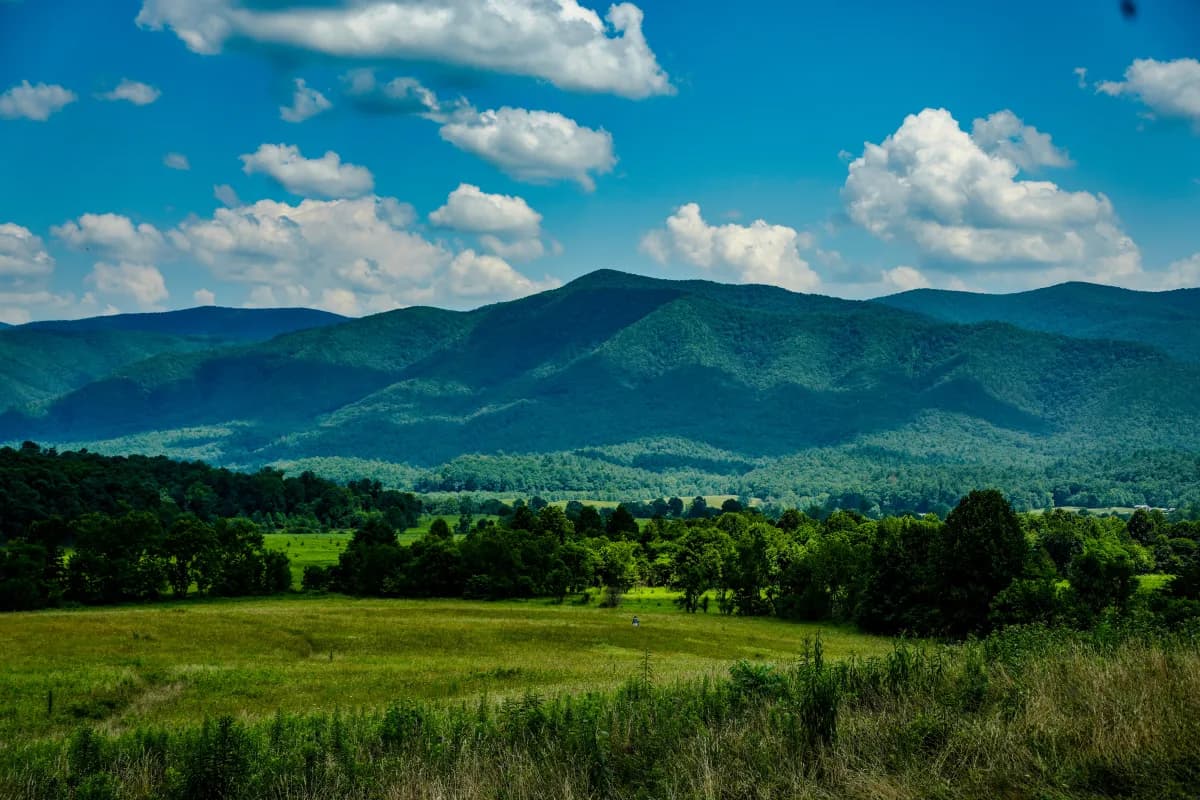
Summer (June-August) provides warm weather perfect for swimming holes and waterfall hikes. Expect temperatures in the 80s at lower elevations, with cooler conditions at higher elevations. Summer weekends bring heavy traffic to popular areas like Cades Cove and Clingmans Dome. Winter (December-February) offers solitude and snow-dusted landscapes, though some roads close seasonally.
Where to Stay
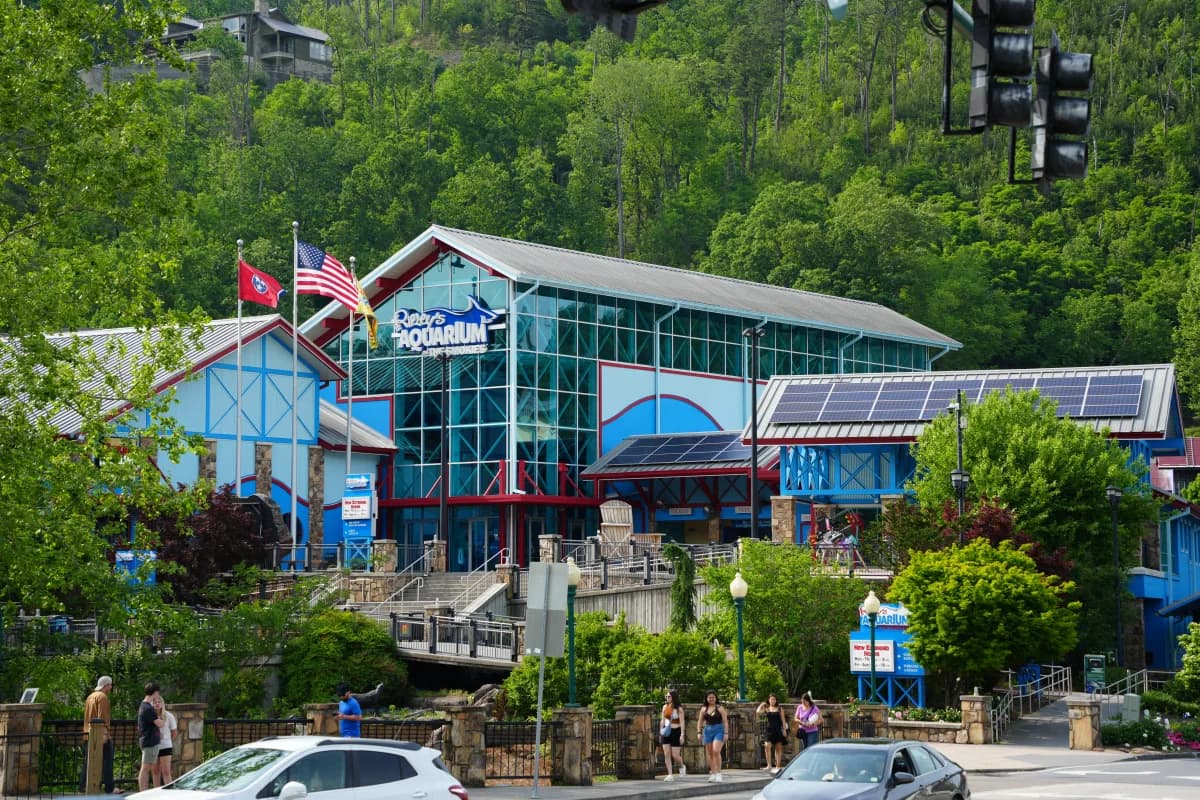
Gatlinburg serves as the primary gateway to the national park, offering walkable downtown access to restaurants, shops, and attractions. Hotels range from budget motels to upscale resorts. Gatlinburg's location provides quickest access to park entrances and popular trails like Laurel Falls and Alum Cave.
Pigeon Forge, located 7 miles from Gatlinburg, caters to families with attractions like Dollywood, dinner shows, and shopping outlets. Accommodation costs typically run 15-20% lower than Gatlinburg. The drive to park entrances takes 20-30 minutes.
Townsend and Wears Valley offer peaceful alternatives with cabin rentals and fewer tourists. These areas provide direct access to Cades Cove and quieter park sections. Sevierville delivers budget-friendly hotel options, though you'll drive 30-40 minutes to reach most attractions.
Must-Do Experiences
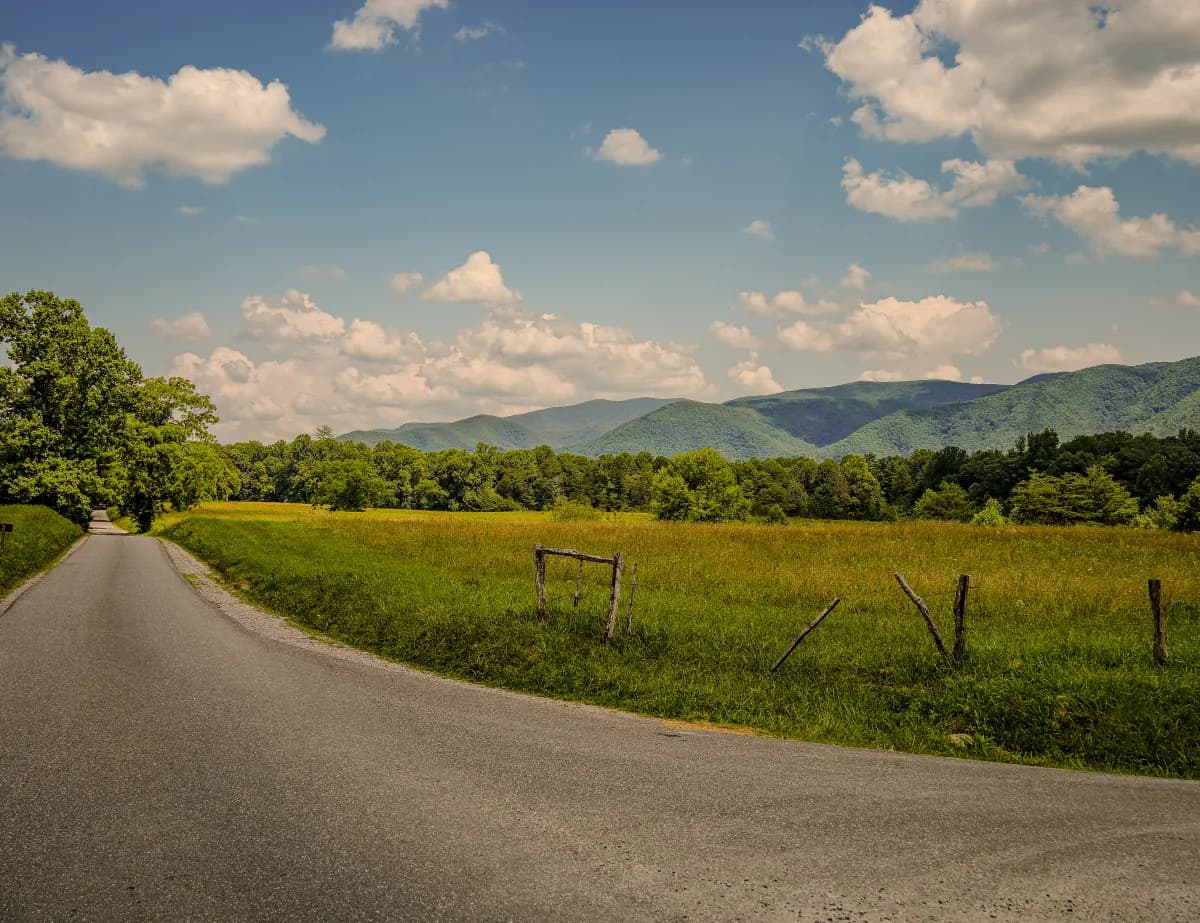
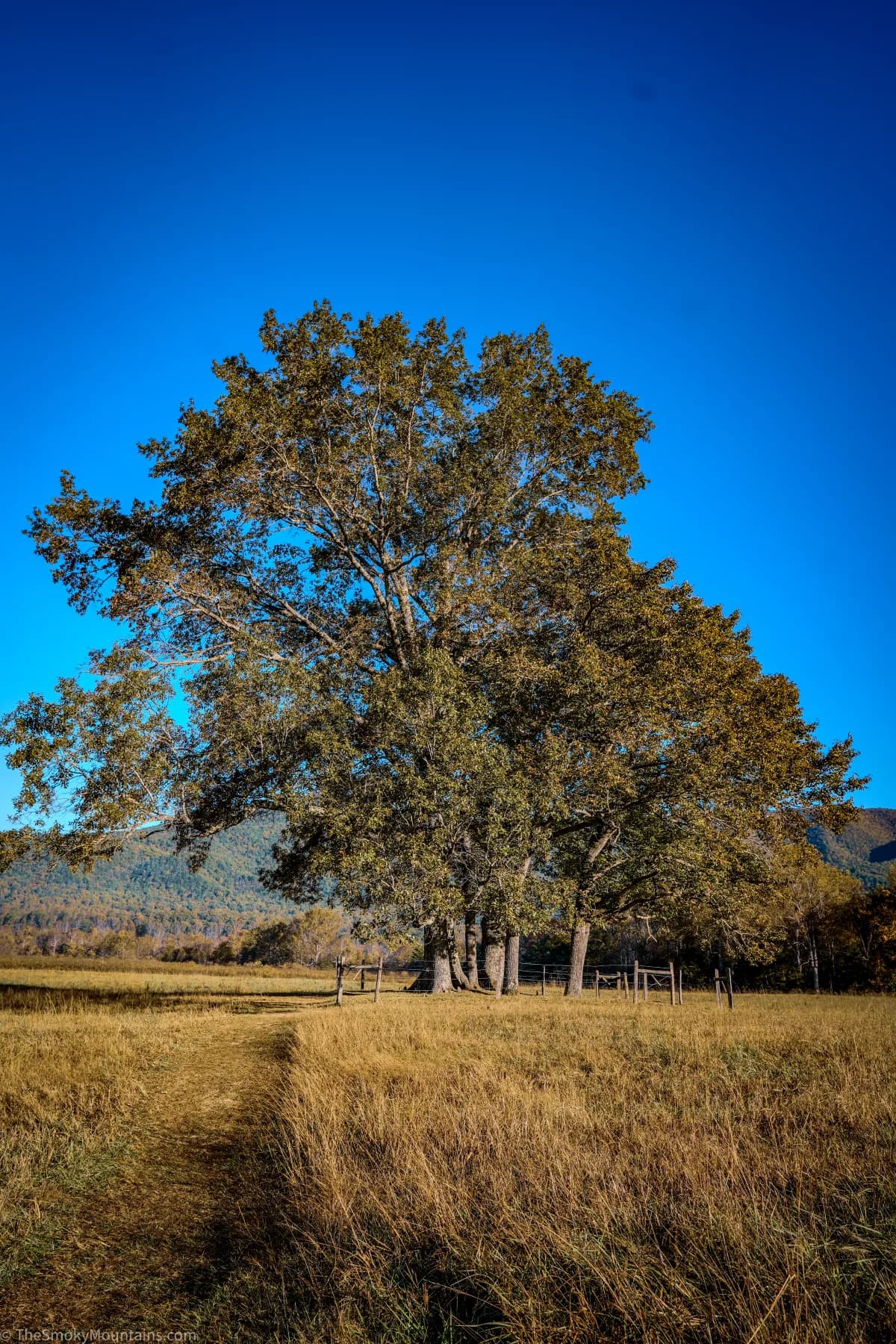
Cades Cove Loop Road ranks as the park's most popular destination. This 11-mile one-way loop passes historic cabins, churches, and provides excellent wildlife viewing opportunities. Arrive before 9 AM or after 4 PM to avoid traffic jams. Allow 2-4 hours for the full loop with stops.
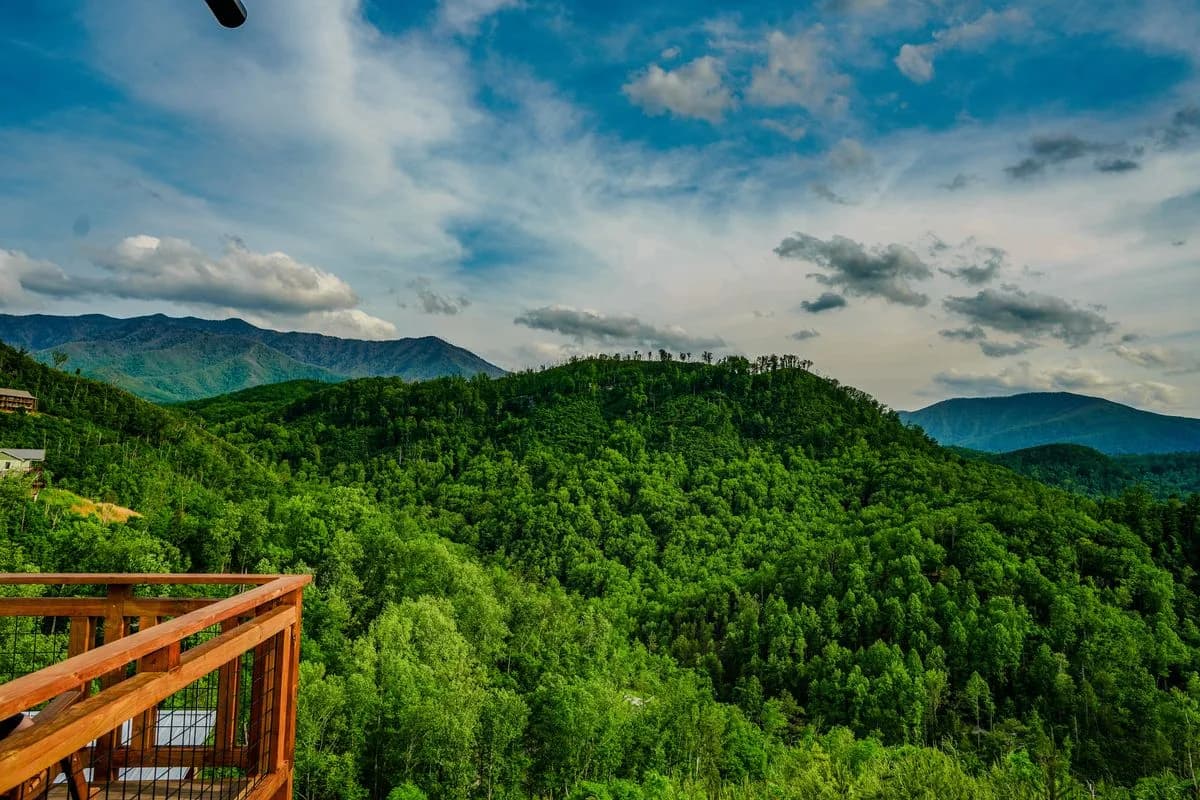
Clingmans Dome, the highest point in the Smokies at 6,643 feet, offers 360-degree views from its observation tower. The half-mile paved trail to the tower is steep but accessible. Visit on clear mornings for best visibility. The access road closes December through March.
Hiking trails range from easy waterfall walks to strenuous mountain climbs. Laurel Falls (2.6 miles) and Grotto Falls (2.6 miles) suit families. Intermediate hikers enjoy Rainbow Falls (5.4 miles) and Alum Cave (4.4 miles). Experienced hikers tackle Charlies Bunion (8 miles) or Mount LeConte (11 miles). Always carry water, snacks, and wear proper footwear.
Practical Tips for Your Visit
Parking passes are required at popular trailheads including Laurel Falls, Clingmans Dome, and Cades Cove. Purchase $5 daily or $15 weekly passes at automated kiosks. The park itself has no entrance fee, unlike most national parks.
Cell service is limited or nonexistent throughout most of the park. Download offline maps before your visit. The National Park Service app provides trail information and GPS coordinates that work without cell service.
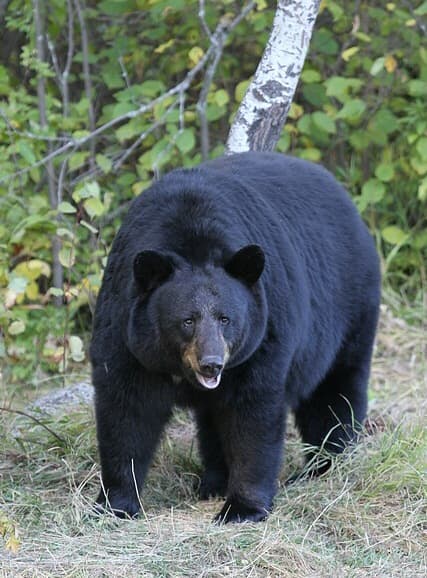
Wildlife safety is critical. Black bears inhabit the park—maintain 50 yards distance and never feed wildlife. Store all food in bear-proof containers when camping. Elk roam Cataloochee Valley; keep 50 yards away during mating season (September-October) when bulls become aggressive.
Weather changes rapidly in the mountains. Temperatures drop 3-5°F per 1,000 feet of elevation gain. Pack layers even in summer. Afternoon thunderstorms are common—start hikes early and descend before storms arrive.
Saving Money on Your Trip
Book accommodations during shoulder seasons (April-May or November) for rates 30-40% lower than peak periods. Many Gatlinburg and Pigeon Forge restaurants offer early-bird specials before 6 PM. The free Gatlinburg trolley system eliminates parking costs in downtown areas.
Pack lunches for park visits rather than driving back to restaurants. Grocery stores in Sevierville offer better prices than Gatlinburg. Coupon books available at visitor centers provide discounts on attractions and dining.
Many park activities cost nothing: hiking trails, scenic drives, historic buildings, and wildlife viewing are all free. Skip paid attractions in favor of exploring the national park to experience the Smokies' natural beauty without spending extra money.
Sample Itineraries
3-Day Weekend: Day 1 explores Gatlinburg downtown and Ober Mountain. Day 2 drives Newfound Gap Road to Clingmans Dome, hikes Laurel Falls. Day 3 completes Cades Cove Loop and visits Cataract Falls.
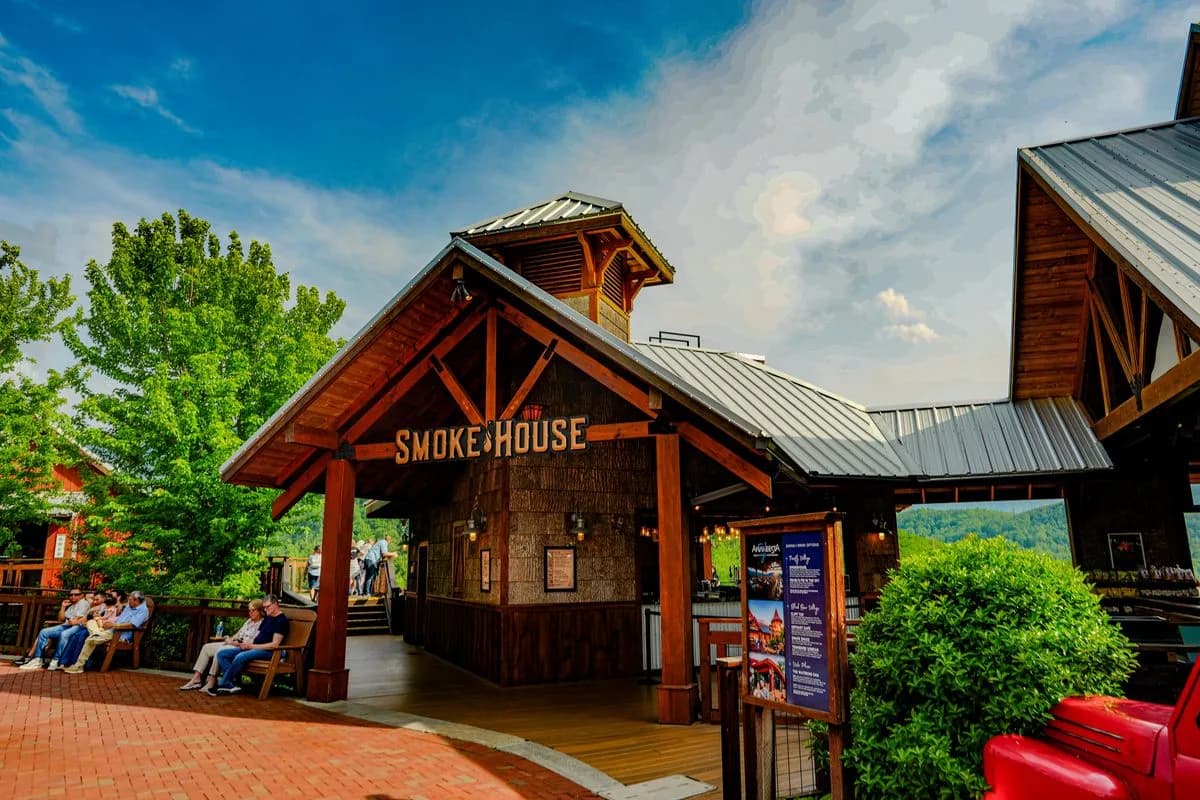
5-Day Family Trip: Add Dollywood, Pigeon Forge attractions, and additional hiking to the 3-day itinerary. Include Grotto Falls, Roaring Fork Motor Trail, and time for cabin relaxation. Reserve one day for Anakeesta or Gatlinburg SkyLift.