Best Time to See Bears in the Smoky Mountains (2026 Guide)
Black bears in Great Smoky Mountains National Park are most visible in late spring and autumn — when bears emerge from winter dens and again when hyperphagia drives heavy fall feeding before denning.
By Smoky Mountains Guide
Travel Expert
Published May 17, 2026 · Updated September 10, 2026
Black bears command attention as the single most sought-after wildlife encounter in Great Smoky Mountains National Park, where approximately 1,900 bears inhabit the protected forest at a density near two bears per square mile.
Prime viewing windows open in late spring when bears emerge hungry from winter dens and again in autumn as they enter hyperphagia—the intense pre-hibernation feeding period that drives them to consume up to 20,000 calories daily.
Early morning and evening hours provide the best opportunities for bear sightings, particularly along Cades Cove Loop Road and Roaring Fork Motor Nature Trail where open meadows and forest edges concentrate bear activity.
When Black Bears Are Most Active in the Smokies
Black bears follow crepuscular patterns, meaning peak activity clusters around dawn and dusk rather than midday. This behavior stems from thermoregulation needs—thick fur coats make midday heat uncomfortable, pushing bears toward shaded slopes and higher elevations during the warmest hours.
Spring activity intensifies as bears exit torpor in late March and early April, driven by depleted fat reserves and the need to replenish calories after months without eating. Females with newborn cubs emerge last, typically in mid-April, since cubs are born in January while mothers remain denned.
Summer brings a shift toward nocturnal feeding patterns when temperatures climb, though bears still move during cooler morning and evening periods. Mating season spans mid-June through July, increasing male bear movement as they search for receptive females across larger territories.
Food availability dictates much of the daily schedule—when berry crops or acorn masts are abundant in specific drainages, bears concentrate activity in those zones regardless of time. The park's varied elevations create microclimates that stagger food ripening, meaning bears move vertically through elevation bands to track fresh food sources from lower valleys to high-elevation heath balds.
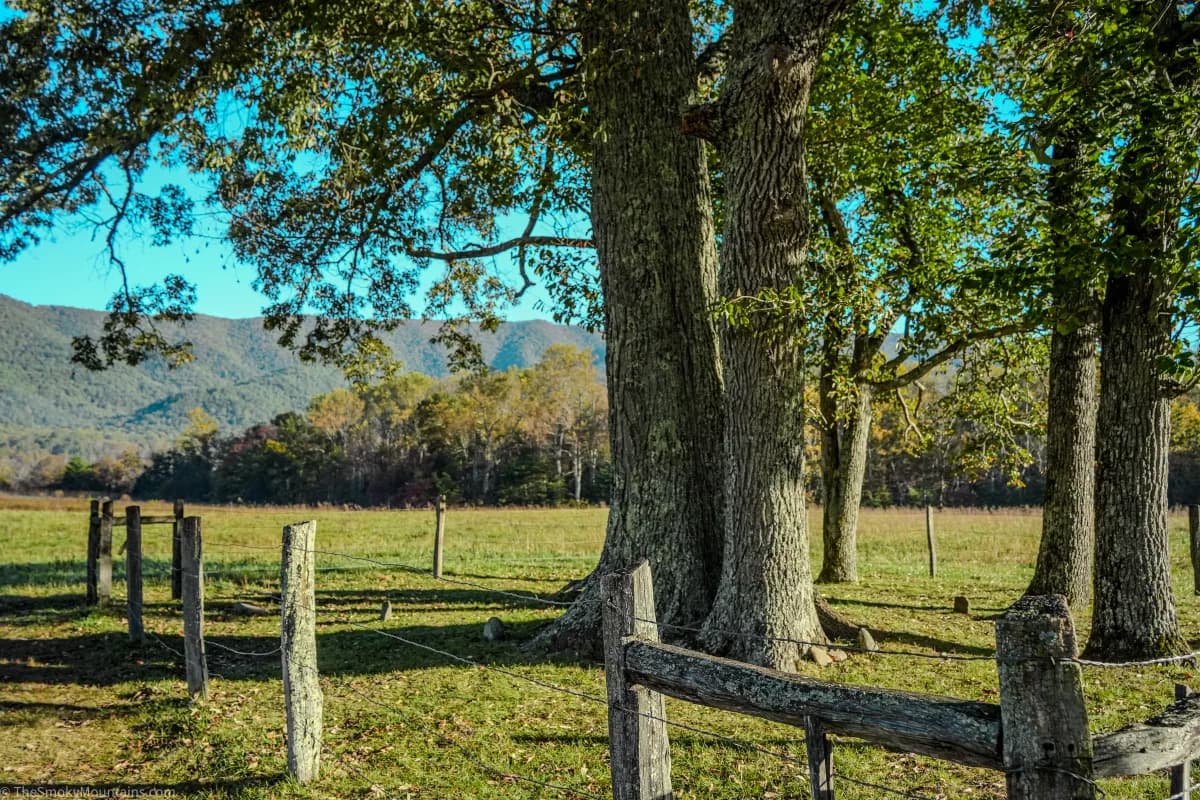
Cades Cove at dawn — bears most often appear in the open meadows before the loop fills with traffic.
May and June deliver the year's most consistent bear sightings as newly emerged bears forage almost constantly to rebuild muscle mass and fat stores. Females with cubs-of-the-year become especially visible during this window since young cubs lack the stamina for long movements, keeping family groups in accessible areas near roads and developed sections. Spring greenery—skunk cabbage, spring beauty corms, emerging grasses—concentrates in valleys and roadside edges where sunlight penetrates, drawing bears into view.
October stands as the autumn peak when hyperphagia reaches maximum intensity. Bears entering this physiological state show little wariness, often feeding in broad daylight as biological imperatives override caution. Acorn and hickory nut crops in oak forests become primary targets, with bears spending twelve to sixteen hours daily eating.
When hard mast crops fail in a given year, bears shift to alternative foods and cover more ground, which paradoxically increases human encounters. Planning a visit around these seasonal windows improves odds substantially, though wildlife viewing never carries guarantees. For accommodations convenient to prime viewing areas, compare lodging options near the park's main entrance corridors.
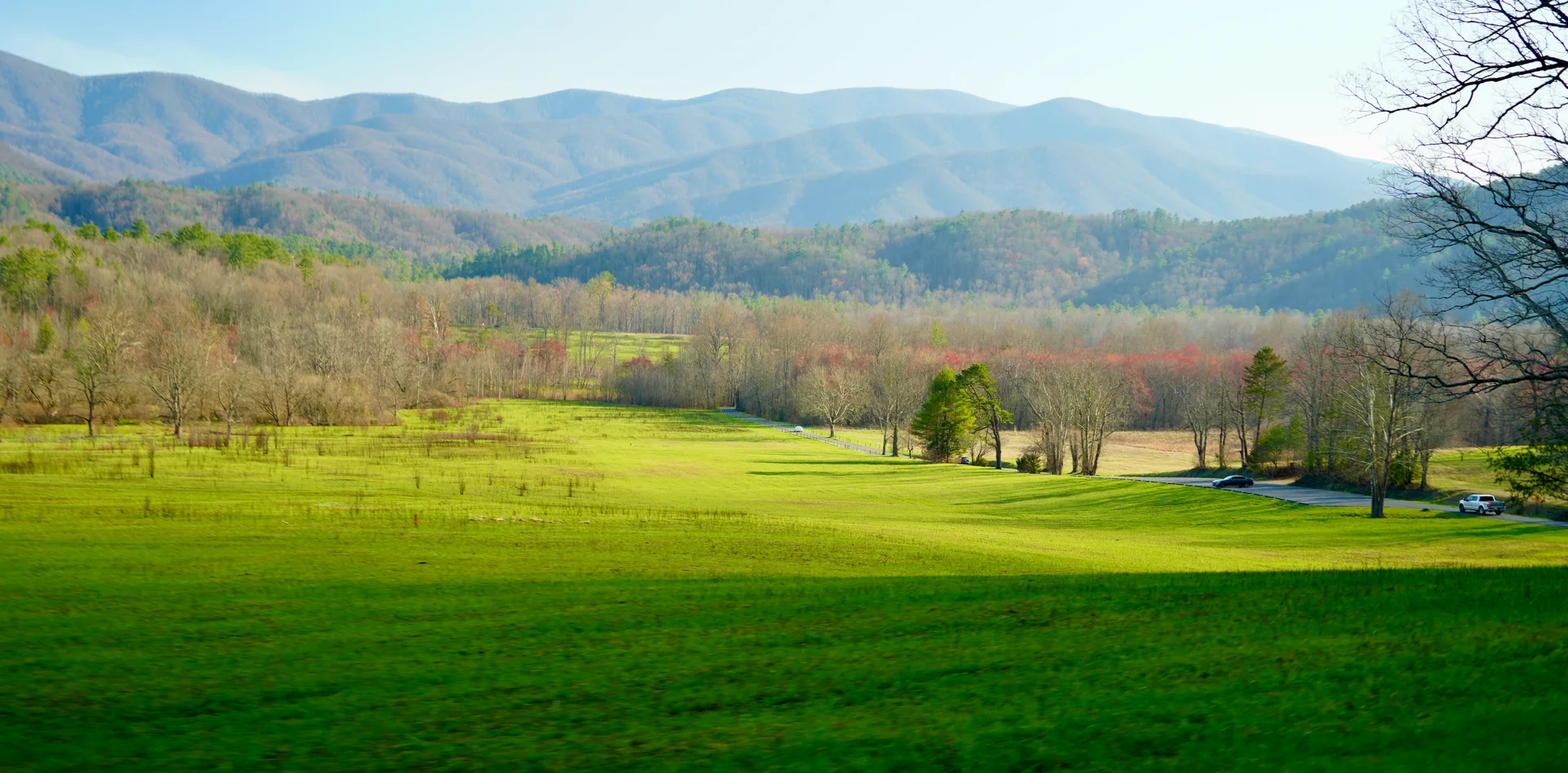
Spring meadows in Cades Cove draw bears emerging from winter dens to graze on new grasses and clover.
Best Locations for Bear Sightings in the Park
Cades Cove Loop Road is widely regarded as the best place in the park to spot a black bear, a function of the 11-mile one-way loop's open meadows bordered by dense forest edge habitat. Bears feed in the grassy coves on clover, insects, and small mammals while maintaining quick escape routes into surrounding timber.
Vehicle-based viewing along the loop allows visitors to maintain safe distances while bears move naturally through the landscape. Early morning drives before tour bus arrival yield the calmest conditions.
Roaring Fork Motor Nature Trail offers a contrasting environment—dense forest canopy with rocky streams and steep terrain where bears forage on salamanders, grubs, and seasonal berries. The 5.5-mile one-way route closes in winter, typically from late November through mid-March, but during open months the narrow road brings vehicles into intimate proximity with bear habitat.
Cataloochee Valley in the park's remote eastern section, approximately 65 miles from Gatlinburg via I-40, combines open fields with elk herds that attract bear viewers willing to make the longer drive.
Newfound Gap Road, the primary trans-mountain corridor, produces frequent sightings at pullouts and trailheads between 3,000 and 5,000 feet elevation. Bears cross the road while moving between feeding areas, and roadside berry patches draw them into view during summer months. Trails radiating from Newfound Gap parking area—particularly the Appalachian Trail sections—see regular bear activity, though hikers must practice vigilant awareness in these encounters.
The Roaring Fork Motor Nature Trail closes late November through mid-March — bear sightings here peak in May and October.
Time of Day and Weather Conditions That Matter
Early morning hours catch bears at their most active, particularly during spring and fall when cooler temperatures persist through morning. Overcast days extend feeding activity into midday hours since cloud cover moderates temperature. Light rain or mist actually improves viewing odds—bears tolerate precipitation easily while thick fur repels water, and wet conditions suppress human traffic enough that bears move with less caution.
Hot, sunny afternoons from June through August send bears to high-elevation refuge or dense rhododendron thickets where they rest until evening cooling begins. Summer evening activity starts later, often after 7 PM, as bears wait for temperature drops before resuming foraging. Wind direction matters less for bear viewing than for hiking encounters, though strong winds do suppress overall wildlife activity by masking sound cues bears rely on to detect threats.
Winter warm spells occasionally draw bears from dens for brief feeding sessions, particularly males and non-pregnant females whose torpor is lighter. A string of 50-degree January days might produce sightings, though winter viewing remains inconsistent at best. February through mid-March represents the year's quietest period as most bears remain denned and those that emerge find limited food availability under snow cover.
Frosty mornings concentrate bears at the meadow edge before they retreat to higher cover as temperatures climb.
What to Do If You See a Bear: Distance and Safety Rules
Federal regulations mandate a minimum distance of 50 yards—150 feet—between humans and bears in Great Smoky Mountains National Park. Willful approach that closes this gap carries penalties up to $5,000, and rangers actively enforce the rule at popular viewing areas like Cades Cove where crowds sometimes push boundaries. The 50-yard standard applies whether on foot or photographing from a vehicle; using a telephoto lens does not justify closer approach.
If a bear appears on the trail ahead, stop immediately and assess the situation. Make your presence known through calm speech in normal tones—yelling or screaming may trigger a defensive reaction if the bear has cubs or a food source nearby.
Slowly back away while maintaining visual contact, never turning your back or running, since flight can trigger a chase response. If the bear approaches, stand your ground, continue talking, and make yourself appear larger by raising arms or opening a jacket. Group together with other hikers to increase apparent size.
A bear standing on hind legs is investigating, not threatening—they stand to improve scent and visual range. Actual aggression displays include jaw popping, swatting the ground, or bluff charging. During a bluff charge, hold position; most charges halt well short of contact.
Physical contact is extraordinarily rare, but if attacked, fight back aggressively using any available objects. Black bears are not grizzlies—playing dead does not apply and may worsen outcomes.
Park service records show the park's 12+ million annual visitors typically experience only one to two bear-related injuries per year, almost always involving people who approached too closely or attempted to feed bears.
Overcast and rainy days extend bear activity later into the morning than bright sunny conditions.
Why Summer Bear Sightings Are Less Predictable
July and August scatter bear activity across the park's half-million acres as diverse food sources ripen at different elevations and aspects. Berry crops—blueberries, blackberries, serviceberries—vary dramatically year to year based on late-spring frost events and summer rainfall. When berry production is strong, bears concentrate in productive patches often far from roads and trails.
Poor berry years push bears into more visible but riskier behavior, including raids on improperly stored food at campsites.
Thermal stress during peak summer sends bears to higher-elevation spruce-fir forests and north-facing slopes where temperatures remain moderate. These zones lie farther from visitor concentrations, naturally reducing encounter rates. Nocturnal shifts also decrease daylight sightings even though bears remain active—they simply forage during hours when most visitors have left the park. Persistent hot spells above 85 degrees push feeding activity almost entirely into nighttime windows.
Male bears roam widely during and after the June-July mating season, sometimes covering territories of 15 square miles or more. This dispersal means a male might appear in a given drainage one week and be miles away the next, unlike spring when concentrated food sources pin bears to smaller areas. Check current wildlife activity reports and seasonal considerations before planning summer bear-viewing trips to improve timing around recent sighting patterns.
October is the year’s other prime window — bears feed twelve to sixteen hours daily during fall hyperphagia.
Planning Your Visit Around Bear Activity
Advance planning accounts for both seasonal patterns and logistical factors that maximize viewing time during peak activity windows. May and October offer the strongest combination of high bear activity and manageable weather, though October brings heavier visitation and the potential for crowded conditions at prime locations. Midweek visits avoid weekend congestion, particularly important at Cades Cove where Saturday and Sunday traffic can reduce the loop to a parking lot crawl.
Arriving at Cades Cove Loop by 7 AM—the road opens at sunrise—places vehicles ahead of the tour bus waves that begin around 9 AM. Roaring Fork opens at the same sunrise timing, and the narrower one-way configuration means fewer vehicles overall regardless of time. Cataloochee requires either overnight camping in the valley or a predawn drive from outside the park to reach the area during prime morning hours, but the remoteness keeps crowds thinner.
Entry to Great Smoky Mountains National Park remains free, though parking for more than 15 minutes requires a parking tag at $5 per day, $15 per week, or $40 annually. Multiple-day bear-viewing trips benefit from the weekly or annual pass, especially when combining visits to different sections of the park across several days.
Vehicle-free access to Cades Cove Loop operates all day every Wednesday from May through September, giving cyclists and pedestrians exclusive use of the 11-mile loop—this creates exceptionally calm conditions that often produce excellent bear sightings.
Frequently Asked Questions
What month are bears most active in the Smoky Mountains?
May and June show the highest activity levels as bears exit winter dens and forage intensively to rebuild body mass. October represents the second peak when hyperphagia drives bears to feed twelve-plus hours daily in preparation for winter denning. The park's approximately 1,900 black bears concentrate activity during these months regardless of elevation or habitat type. Mating season in mid-June through July also increases movement patterns, particularly among males searching for receptive females across larger territories than they occupy during other seasons.
What time of day are you most likely to see bears in the Smokies?
Early morning and evening hours provide the best viewing windows due to crepuscular behavior patterns hardwired into black bear biology. Midday heat drives bears to shaded slopes or higher elevations where they rest until temperatures moderate. Cades Cove Loop Road and Roaring Fork Motor Nature Trail are the locations most often associated with dawn and dusk sightings since open edges and meadows concentrate feeding activity during these cooler hours. Overcast days extend activity into midday periods by reducing thermal stress.
Ticket Deals
Tickets in Gatlinburg
Where are you guaranteed to see bears in the Smoky Mountains?
No location guarantees bear sightings since wild animals move according to food availability, mating behavior, and individual preferences. Cades Cove Loop Road, Roaring Fork Motor Nature Trail, and Cataloochee Valley report frequent bear encounters based on park service data and visitor reports. Sighting rates fluctuate dramatically year to year depending on acorn and berry crop success—abundant mast crops keep bears dispersed in backcountry forests, while crop failures push them toward more visible roadside foraging.
How close can you get to a bear in Great Smoky Mountains National Park?
Federal regulations require a minimum 50-yard distance (150 feet) from all bears, enforced through fines up to $5,000 for willful approach. The rule applies equally to vehicle-based viewing and trail encounters. Willful approach means deliberately closing distance to a bear, whether on foot or by vehicle, and includes actions like following a bear that moves away. If a bear approaches you on a trail, the regulation recognizes you are not at fault—slowly back away while making calm vocalizations to encourage the bear to detour around your position.
Are bears dangerous in the Smoky Mountains?
Black bears are wild animals capable of causing serious injury but rarely show aggression toward humans who maintain proper distance and behavior. Park service records document approximately one to two bear-related injuries per year among more than 12 million annual visitors, almost always linked to people approaching too closely or attempting to feed bears. Defensive behavior—jaw popping, bluff charges—differs fundamentally from predatory behavior, which is vanishingly rare. Fed bears lose wariness and become dangerous, which is why food storage regulations carry strict enforcement.
Can you see bears in winter in the Smokies?
Winter sightings occur but remain unpredictable since black bears enter torpor from December through March. Unlike true hibernation, torpor involves only slight drops in body temperature and allows bears to wake and exit dens during warm spells. Pregnant females den longest, typically remaining inside until March or early April after cubs are born. Males and non-pregnant females may emerge briefly during extended periods of 50-degree weather, though food scarcity limits activity. Late February and early March occasionally produce sightings as bears begin transitioning toward spring emergence.
Bear viewing in the Smokies rewards patience, proper timing, and respect for wildlife regulations that protect both bears and visitors. Spring and autumn deliver the most reliable encounters, while early morning and evening hours maximize chances regardless of season.
Maintaining the required 50-yard distance preserves natural bear behavior and personal safety, turning chance sightings into memorable wildlife experiences. Plan your Smoky Mountain visit around these seasonal patterns to align trip timing with peak activity windows and secure accommodations near prime viewing corridors.
Planning a Smokies trip?
Save what's useful here, then check stays before dates fill up.