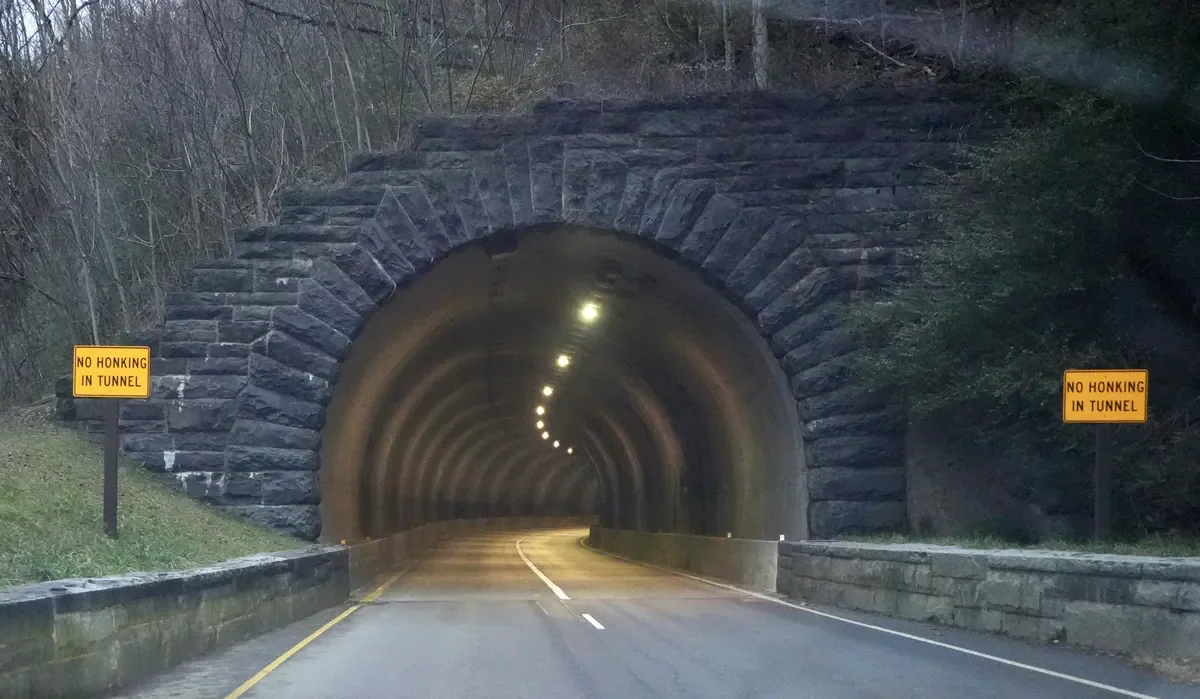
One Tradition, Two Sides, and the Truth About Those 'No Honking' Signs

By Ashley
Travel Expert & Local Guide
For decades, visitors driving through the Gatlinburg Spur tunnel on US-441/321 have participated in an unofficial tradition: laying on the horn and enjoying the echoing blast. Then "No Honking" signs appeared, and social media erupted with debates about abandoning this beloved ritual. Here's what's actually going on.
The tunnel honking tradition has been part of Smoky Mountain culture for generations. Many visitors heading to Pigeon Forge or Gatlinburg consider it a nostalgic vacation element—one of those simple, silly things that makes a trip memorable, much like staying in a cozy mountain cabin.

The Spur tunnel has sparked decades of honking tradition
But official "No Honking" signs now greet drivers at the tunnel entrance, sparking heated discussions about whether to abandon this cultural practice. It's become a hot topic for visitors planning their Gatlinburg vacation.
Let's address the cave-in theory first: the idea that car horn vibrations could damage solid mountain rock lacks any engineering support. The tunnel was built to last, unlike the temporary structures at Oak Ridge's Secret City during WWII.
Tunnels are constructed to withstand immense pressure and vibrations far exceeding those produced by a car horn. The Gatlinburg Spur tunnel underwent a multi-million dollar rehabilitation project for concrete liner repair and drainage improvement—not horn protection.

The tunnel's engineering can handle far more than horn vibrations
The official reasons for the no-honking policy are straightforward—and whether you're staying in a downtown hotel or a mountain cabin, understanding these reasons helps you make an informed decision:
During the tunnel's extensive rehabilitation, the constant, deafening echo of horns created an unsafe work environment. Workers couldn't communicate effectively or hear potential dangers—a serious safety concern. After enjoying your drive through the tunnel, relax at one of Gatlinburg's restaurants.
The National Park Service emphasizes respecting natural soundscapes. Loud, sudden, and unnatural noises can cause stress to wildlife, altering their behavior and potentially forcing them away from their habitats near the roadway. This same conservation ethic applies throughout the region, from Elkmont's historic ruins to popular hiking trails.

Preserving the peaceful soundscape protects wildlife near the tunnel
This is where it gets interesting. The honking debate has created two camps:
I'm not going to tell you what to do. The tradition predates heavy traffic and modern environmental awareness. The conservation perspective raises valid points about wildlife stress and noise pollution. This decision becomes one of personal respect—for the park's regulations and for the natural environment it's designed to protect. Whether you honk or not, there are plenty of other ways to enjoy the area, from finding comfortable lodging to discovering local restaurants.
Whether the honking tradition continues or fades into memory will depend on individual choices. The tunnel itself isn't going anywhere—but the culture around it might be changing. Visit Great Smoky Mountains National Park and decide for yourself. While you're in the area, explore both mountain towns or check out our budget travel tips. For more unique local traditions and stories, read about Oak Ridge's secret wartime history or the Treetop Skywalk at Anakeesta.

Travel Expert & Local Guide
"Local expert with 10+ years exploring the Smoky Mountains. Passionate about sharing hidden gems and insider tips."
Join 10,000+ travelers getting our weekly Smoky Mountains guide.
Discover more insider guides to make your Smoky Mountains adventure unforgettable.

Comprehensive guide to Gatlinburg's best attractions and hidden gems.

Honest comparison of Gatlinburg and Pigeon Forge to help you choose.