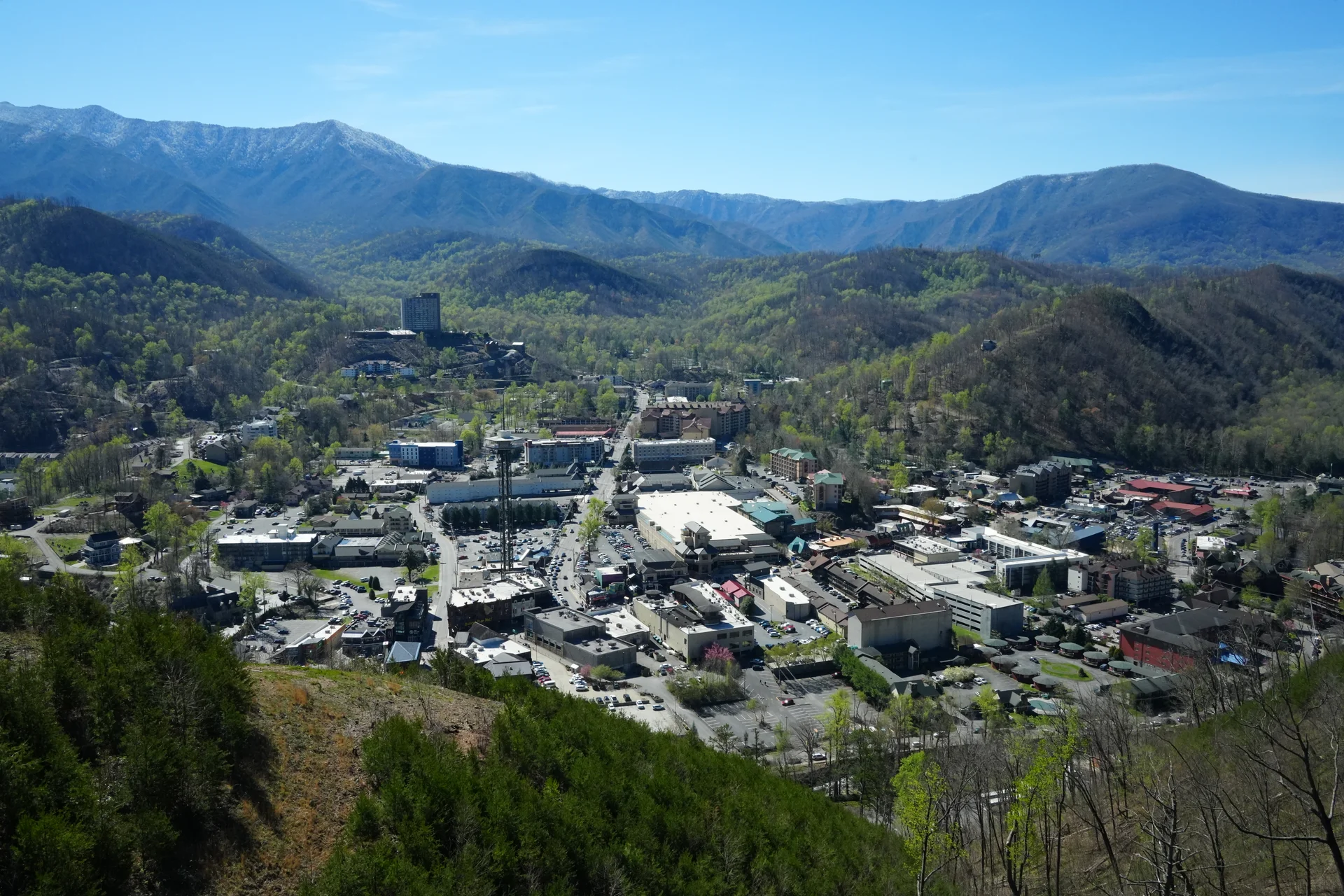
Amenities: Hotel Services vs Cabin Features
Many Gatlinburg hotels offer front-desk service, complimentary breakfast, and heated pools, though amenities vary by property. Chains like Hampton and Hilton add loyalty points and predictable room layouts. Parking—if included—sits in surface lots or covered garages a short walk from lobby entrances.
Boutique properties along River Road offer balconies facing the Little Pigeon, though downtown activity can continue into the evening. Standard room layouts can limit privacy: a standard queen setup works for couples but forces families into adjoining rooms or suites that double nightly rates.
Cabin amenities and service levels vary by property. For a two-bedroom cabin, verify the kitchen, laundry, fireplace, and deck details in the individual listing. Three-bedroom layouts add game rooms with pool tables or air-hockey setups. Hot tubs are common, but renters should verify that an advertised tub is private, operational, and accessible year-round.
No one restocks towels mid-stay. Included household supplies vary by cabin; confirm what the property provides before buying groceries or firewood. The tradeoff: cooking breakfast for a group can cost much less than taking everyone to a Parkway restaurant, and kids occupy themselves in game rooms instead of hotel hallways.
Theater rooms with projectors and recliners show up in higher-tier cabins. So do arcade setups, wet bars, and jetted tubs in master suites. Hotels rarely match that square footage or entertainment variety in a standard room.
Cost Breakdown: Compare the Total, Not the Headline Rate
Nightly prices move with travel dates, day of week, property type, and demand. A useful comparison needs the same dates, the same cancellation flexibility, and the final checkout total for both stays.
Cabin totals may add cleaning fees, damage protection, and property-specific service charges. Hotel totals may add parking, destination fees, or a higher room count when a family needs more privacy. Neither option is automatically cheaper.
Kitchen access can change the budget, especially for a group that plans to cook breakfast or pack trail lunches. It only creates savings when the group actually uses it; a cabin kitchen does not lower costs for travelers who plan to eat every meal in town.
Use the side-by-side stay search for the exact travel dates, then compare the final total, number of real beds, drive time, parking policy, and cancellation terms. That calculation is more useful than an area-wide average that may be stale by the time the trip begins.
Best Fit by Trip Type: Solo, Couple, Family, or Group
Solo travelers and couples prioritizing nightlife, walkable dining, and minimal logistics default to hotels. A single room near traffic light 5 eliminates shuttle waits, ride-share surge pricing, and decisions about driving after drinks. Couples spending full days on hiking trails value hotels for the ability to shower, eat, and collapse without grocery runs or dish duty.
Families with young children tilt toward cabins. Kids burn energy in game rooms and hot tubs instead of bouncing off hotel walls. Parents cook breakfast at seven instead of wrangling toddlers through a lobby buffet at peak chaos. Naptime happens in a separate bedroom, not a darkened hotel room where adults scroll phones in silence.
Groups traveling together can use cabin bedrooms and shared living areas more efficiently than separate hotel rooms. The value depends on the final property total and bed layout, but the practical advantage is clear: card games, morning coffee, and downtime happen in a private common room instead of a hotel lobby.
Cabins falter for itineraries built around spontaneous Parkway attraction-hopping or late-night entertainment. Driving back up a dark mountain road after midnight feels less appealing than an elevator ride. Hotels fail groups seeking privacy, meal flexibility, and square footage per dollar.
Seasonal Considerations: Summer Crowds, Fall Color, and Winter Weather
Summer hotel guests navigate Parkway sidewalks thick with families from late morning until ten at night. Lobby pools overflow by two in the afternoon. Downtown parking lots post "full" signs by eleven. The density suits travelers who treat Gatlinburg as an attraction itself—mini-golf, arcades, distilleries—and spend minimal time in the room.
October creates heavy lodging demand across the Smokies, so travelers with fixed dates should search early. Mountain views deliver peak value when ridges glow yellow and orange. Cabin decks become front-row seating; hotel windows frame parking lots or neighboring buildings unless the property faces the river.
Winter brings ice to mountain roads. Cabin access routes become hazardous on steep grades after snowfall, and rental companies often advise four-wheel drive or chains. A downtown hotel can simplify winter logistics by reducing mountain-road driving. Winter cabin guests should ask how the access road is maintained and follow weather guidance before driving.
Spring availability and pricing vary by week, property, and event calendar. Wildflower hikes and waterfalls justify daily drives from cabins. Hotels serve as convenient crash pads between dawn trailhead starts and evening Parkway dinners.
Booking Strategy: How to Compare Stays and Lock Rates
Start searching early for October, holidays, and major event weekends. Compare the complete stay price rather than relying on the first displayed nightly rate. Prices flex daily based on algorithm-driven demand models—Rechecking the same dates can reveal rate changes, but the travel dates and cancellation policy matter more than the day of the search.
Filter cabin results by mandatory features—hot tub, game room, paved access—before sorting by price. Photos mislead on cabin density; satellite view reveals whether "mountain seclusion" means thirty feet from the next deck. Read reviews for road conditions, Wi-Fi reliability, and whether the "mountain view" includes a neighbor's roofline.
Hotel comparisons hinge on Parkway position and parking policy. Properties east of traffic light 3 sit farther from Ripley's and the SkyLift but closer to park entrances. Confirm whether parking is included, covered, and close to the room entrance. Browse hotel and cabin inventory side by side to spot rate gaps and availability clusters.
A cabin’s final checkout total can include a separate cleaning fee. Always calculate total cost—nightly rate times number of nights, plus cleaning, plus insurance or damage waiver—before comparing to hotel totals with resort fees and parking.
Book refundable rates for travel more than sixty days out if budget allows the deposit hold. Weather, road conditions, or itinerary shifts justify the flexibility. Non-refundable cabin bookings lock lower rates but trap travelers who misjudge group size or underestimate driving fatigue.
Making the Final Decision: Matching Accommodation to Itinerary
Itineraries heavy on Gatlinburg attractions—aquarium, SkyBridge, distillery tours, Anakeesta—favor hotels that eliminate parking cycles and late-night driving. Travelers planning early park starts should choose lodging based on the specific trailhead or park entrance they expect to use.
Group dynamics matter as much as logistics. Cabins suit travelers who value cooking together and shared common space for post-hike relaxation. Hotels work better for groups who prefer separate schedules, grab-and-go breakfasts, and minimal coordination. Mixed-age groups—teens, toddlers, grandparents—often need the bedroom separation and entertainment options cabins provide.
Travelers who plan to cook should include that behavior in the lodging comparison. A kitchen can lower food spending only when the group buys groceries and uses it.
Downtown energy—live music drifting from bars, neon-lit mini-golf, the hum of pedestrian traffic—appeals to travelers who treat Gatlinburg as the destination. Mountain silence, star-dense skies, and the rustle of wind through ridgeline oaks appeal to those using Gatlinburg as a base camp for the park. Neither choice is universally better; both serve distinct trip styles and logistical priorities.
Frequently Asked Questions
Is it better to stay in downtown Gatlinburg or a cabin in the mountains?
Hotels suit travelers prioritizing walkability to attractions, restaurants, and nightlife without driving. Cabins work better for groups seeking privacy, full kitchens, outdoor space, and mountain atmosphere. The choice depends on group size, itinerary, and whether convenience or seclusion ranks higher.
How much does a downtown Gatlinburg hotel cost compared to a mountain cabin?
Rates change too quickly for one area-wide number to settle the choice. Compare the final price for the same dates, then account for the number of rooms, parking, cleaning fees, and how often the group will actually use a cabin kitchen.
Can you walk to attractions from a cabin rental in Gatlinburg?
Plan on using a car for a mountain cabin unless the listing explicitly documents another transportation option. Check the actual map pin and route before booking; a Gatlinburg mailing address does not guarantee a quick or easy drive to the Parkway.
Do Gatlinburg hotels have the same amenities as cabins?
Amenities vary by property. Hotels commonly provide front-desk services, while many cabins provide kitchens and private living areas; confirm breakfast, housekeeping, pools, hot tubs, and laundry before booking.
Are mountain roads to cabins difficult to drive?
Cabin access roads vary by property and can change with the weather. Ask the property manager about pavement, grade, winter maintenance, and vehicle recommendations for the exact route before booking.
Which is quieter: a Gatlinburg hotel or a mountain cabin?
A downtown hotel puts guests closer to evening activity, while a cabin usually creates more separation from the Parkway. Cabin privacy still varies by development, lot size, and neighboring rentals.
Hotels and cabins solve different problems. Choose downtown when walkability and simple logistics matter most; choose a cabin when the group will use the extra living space, kitchen, and quieter setting. Compare both options for the exact dates before committing.