
Smoky Mountain Files · Unsolved
At about 4:30 on the afternoon of June 14, 1969, four boys at Spence Field decided to surprise their parents.
Three circled one way through the grass. Dennis Lloyd Martin went the other.
The three boys reached the adults. Dennis did not.
His father waited only a few minutes before calling his name. Then he began to search.
Dennis was six years old. His seventh birthday was six days away.
The game at Spence Field
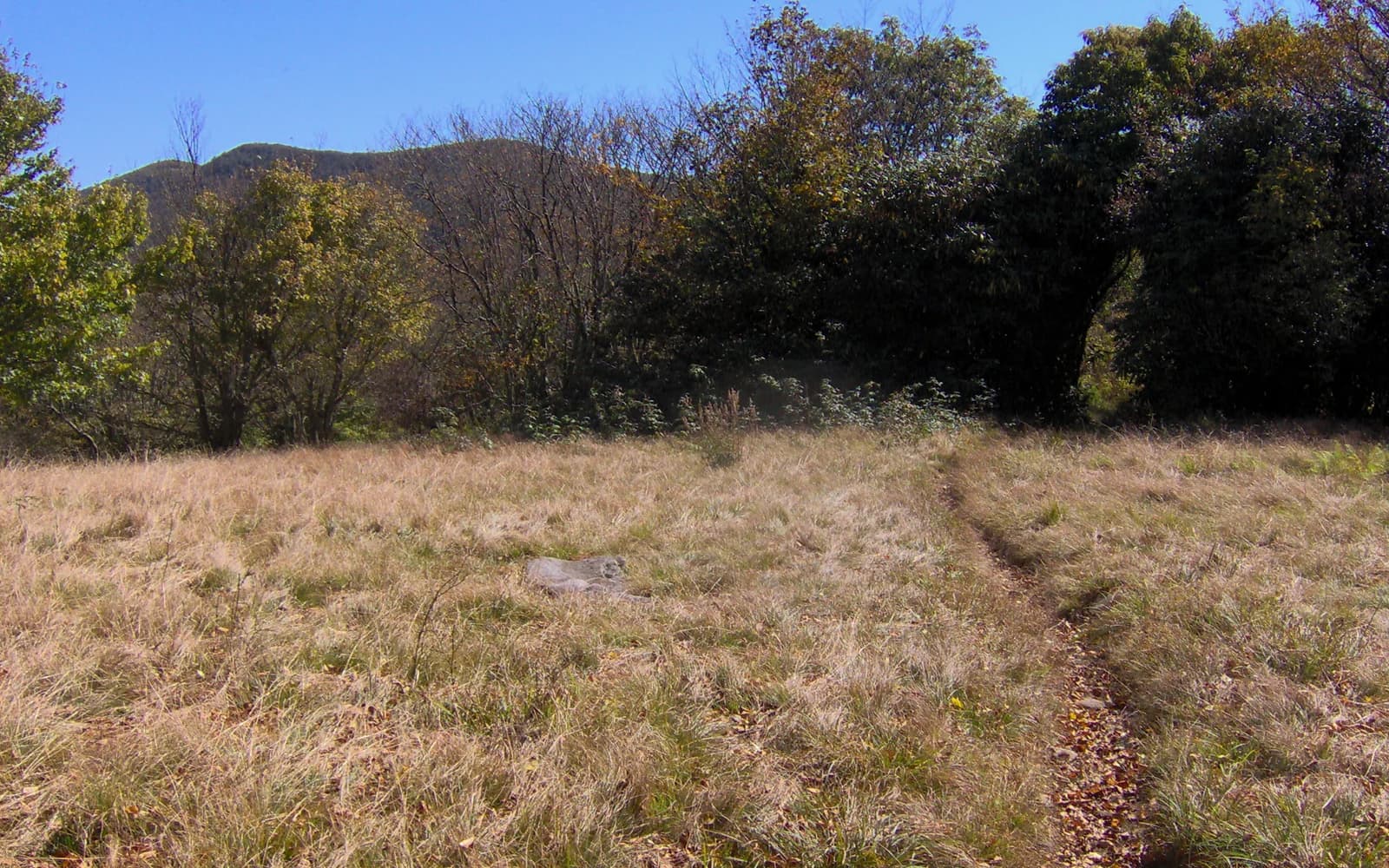
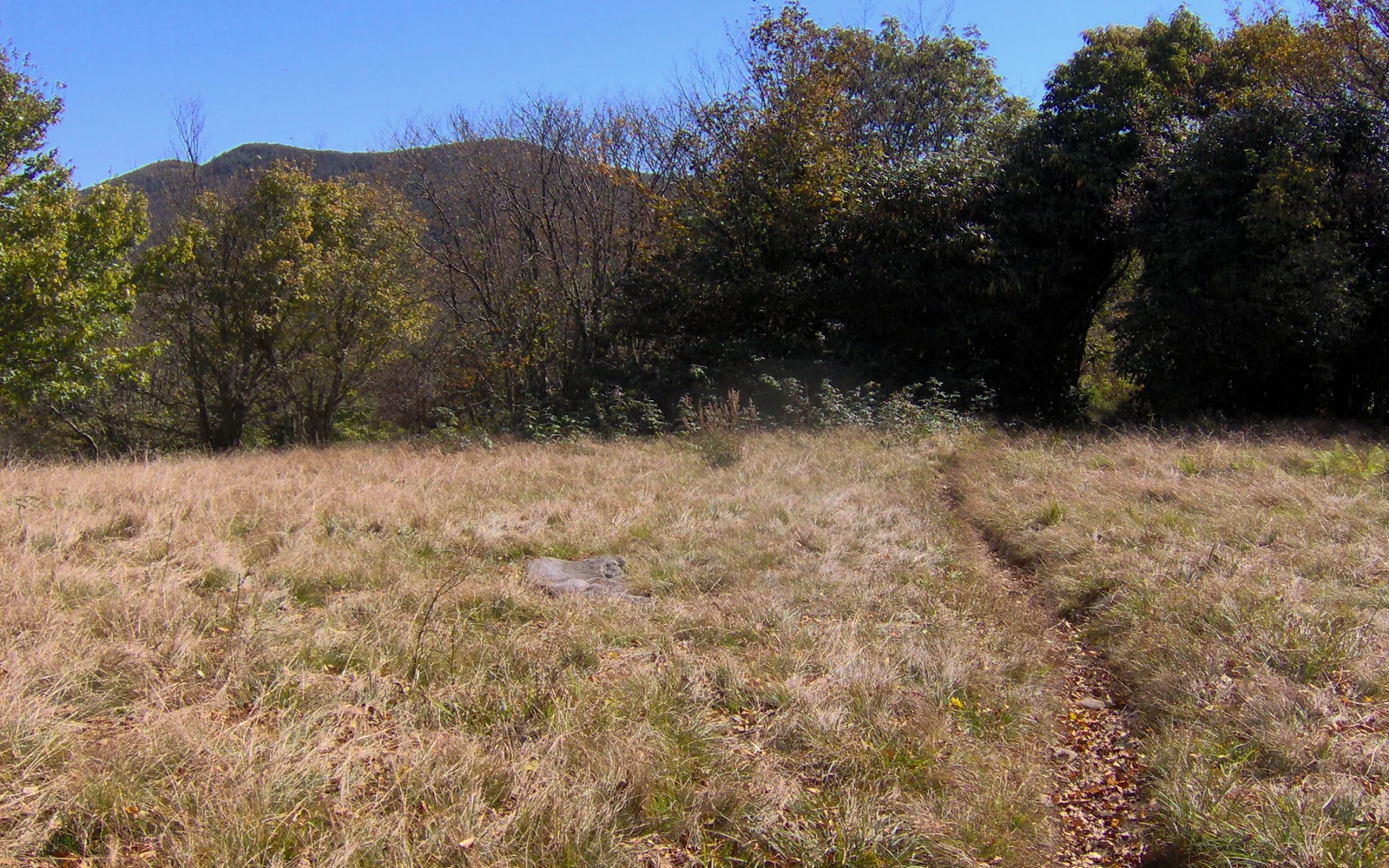
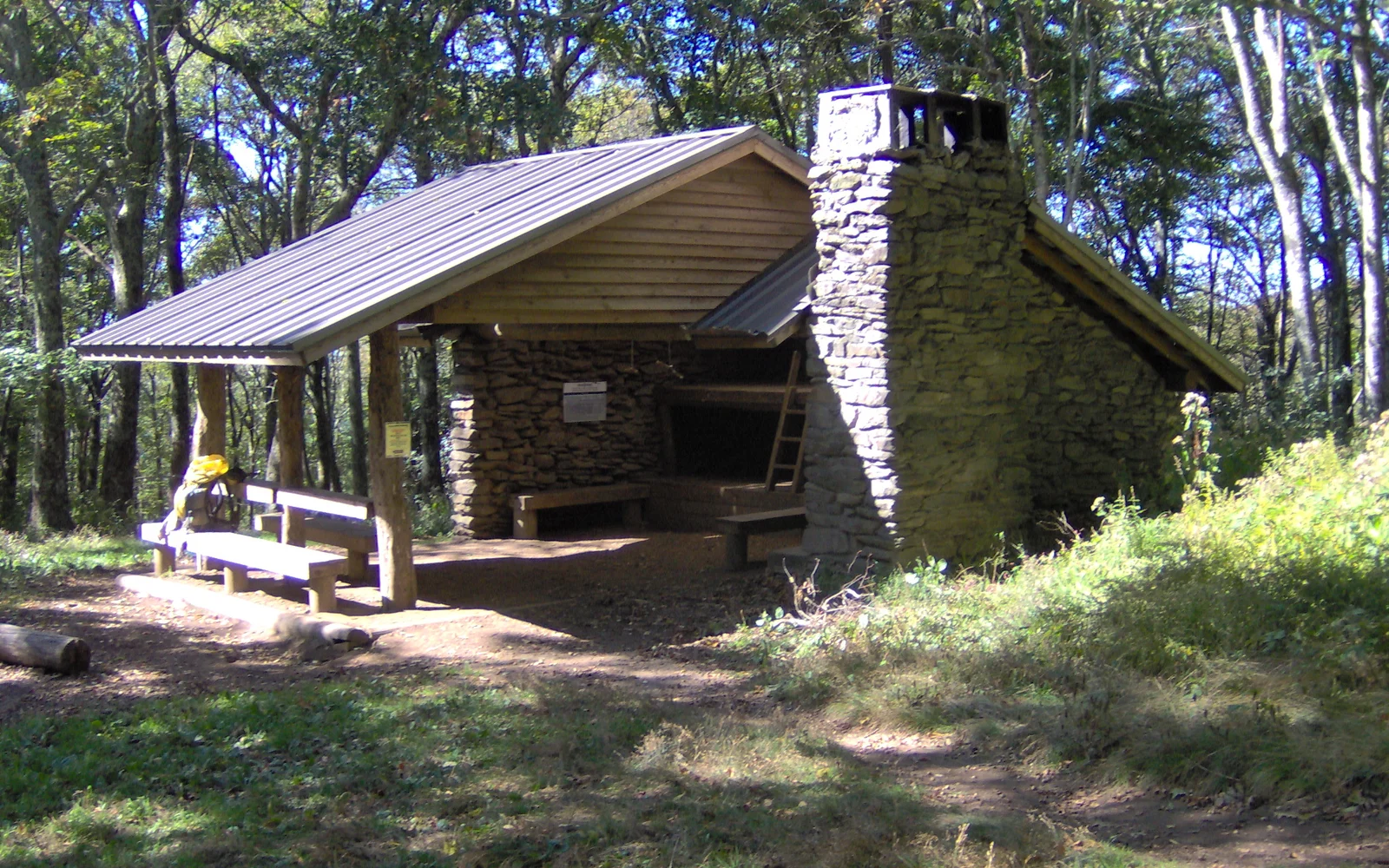
Spence Field lies along the Appalachian Trail on the Tennessee–North Carolina state line. The National Park Service lists its elevation as 4,920 feet. Open meadow follows the crest of the ridge; wooded drainages fall north toward Tennessee and south toward North Carolina.[3]
The official 1969 search chronology named the routes leading away from the field. Russell Field shelter stood about 2.5 miles west. Derrick Knob was roughly five miles east. Anthony Creek and Bote Mountain descended on the Tennessee side. Eagle Creek and Jenkins Ridge led into North Carolina.[2]
Dennis had reached the ridge with his father, William; his grandfather, Clyde; and his nine-year-old brother, Douglas. They had spent the previous night at Russell Field shelter, then walked to Spence Field and joined another family.
Several adults sat in the grass southwest of the Anthony Creek trailhead while the four boys played nearby. Douglas later described their plan: sneak around and surprise the adults. He and two boys moved south and west. Dennis went northwest, intending to approach from the opposite direction.[2]
The moment the boys separated became the last confirmed sighting.
Three to five minutes
William Martin told park officials that he became concerned within three to five minutes. He called for Dennis, walked west on the Appalachian Trail as far as Little Bald and returned. He then continued to Russell Field and came back again.
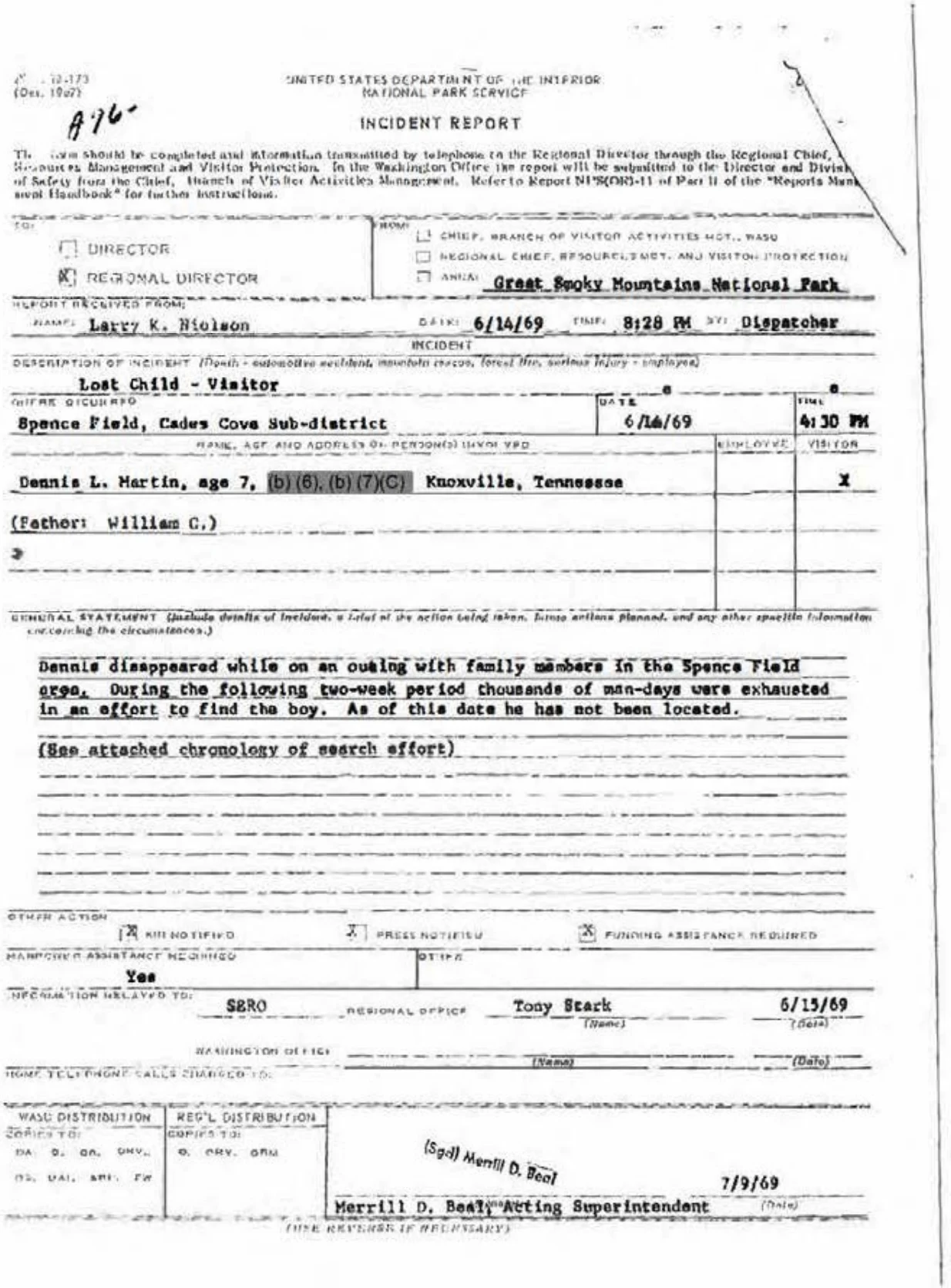
Clyde Martin descended Anthony Creek Trail to report the disappearance in Cades Cove. Park dispatch recorded the notification at 8:28 p.m.[2]
Other people had already begun moving through the backcountry. A seasonal naturalist and his wife reached Spence Field around 7:30 p.m. after driving Bote Mountain Road and walking its final section. Hikers approaching from Derrick Knob, Fontana and the North Carolina trails said they had seen no missing child.
Then heavy thunderstorms reached the ridge.
The park chronology estimated at least 2.5 inches of rain around Spence Field that night. Streams rose and ran hard. Rangers and family members searched the immediate area until morning.[2]
Daylight brought more people. It brought no sign of Dennis.
The mountains fill with searchers
Search crews entered the drainages below Spence Field on June 15. Rangers, rescue squads, experienced hikers and park employees worked through Anthony Creek, Little Bald, the West Prong of Little River and the slopes below the ridge.
The operation widened each day. National Guard troops, Special Forces soldiers, firefighters, Boy Scouts, university forestry students, Coast Guard Auxiliary crews and volunteers joined the search. Helicopters carried people and cargo into backcountry landing zones. Boats worked the Fontana Lake shoreline.
By June 21, the official daily force reached 1,400 people. Park staff eventually asked radio and television stations to tell the public that no additional searchers were needed.[2]
1,400
people in the June 21 search force
56¾
square miles in the general coverage area
12,989
passenger movements by helicopter
The appendices preserve the scale. Fifty-seven rescue squads contributed 26,589 hours and drove 69,811 vehicle miles. Army and Air Force helicopters logged 1,116 sorties and 196 flight hours. The National Park Service calculated 13,420 employee hours through June 29.[2]
On June 22, the general coverage area reached 56¾ square miles. Search teams had intensively covered 12½ square miles. The one-mile radius around Spence Field had been saturated, the immediate ridges had been checked and logical drainages had been searched outward from their streams.
The chronology used four blunt words to describe the result: “Nothing at all had been found.”
A search that could not produce a clue
Searchers followed reported odors and found animal remains. They watched vultures and traced the activity to dead wildlife. Police dogs worked portions of the search area without producing a usable trail.
The absence extended to the ordinary objects a child might leave behind. The official summary recorded no verified clothing, shoe, footprint or personal item belonging to Dennis.
Rain complicated the first hours and returned during the operation. The number of volunteers also created a management problem. Roads became muddy, helicopters lost flying time and search leaders had to screen, transport, organize and account for hundreds of people across two states.
Rain, terrain and the surge of volunteers made the operation difficult to manage, while the evidence still leaves Dennis’s fate unresolved.
The large operation at Spence Field ended at 6 p.m. on June 29. Park officials kept experienced woodsmen searching on a limited basis afterward. The physical search had consumed two weeks, thousands of hours and national attention.
Dennis would have turned seven on June 20, while the search was still underway.
The lead the family could not ignore
As the ground search failed to produce evidence, the Martin family increasingly considered an abduction.
A witness named Mr. Keys reported seeing a suspicious person elsewhere in the park on the day Dennis disappeared. The released file records that the FBI brought Keys back to identify the place where he reported seeing the person. The surviving entry does not provide enough detail to identify that person or connect the report to Dennis. The file also preserves William Martin’s July 28 letter objecting to how the visit and press release had been handled.[2]
Popular retellings often turn that lead into a solved sequence. The official records available to the public do not connect the person Keys described to Dennis. The June 29 conference among the family, park officials and an FBI agent recorded an absence of evidence supporting kidnapping. The FBI continued its existing work but said it could not open a full-scale kidnapping investigation on the information then available.
The lead mattered because it changed the family’s question. William Martin no longer asked only where searchers had missed his son. He also asked whether Dennis had left the search area with another person.
The public file answers neither question.
What the 1969 search file confirms
| Claim | Current status |
|---|---|
| Dennis disappeared from Spence Field around 4:30 p.m. on June 14, 1969 | Documented. The park incident report and search chronology record the location, date and approximate time. |
| His father began looking within three to five minutes | Firsthand account in the official file. William Martin supplied the interval to park officials. |
| Searchers found a footprint belonging to Dennis | Unproven. The official summary says the operation produced no evidence attributable to him. |
| Mr. Keys saw Dennis’s abductor | Unproven. Keys reported a suspicious person, and investigators revisited the location. The public record establishes no connection to Dennis. |
| An animal killed Dennis | Unproven. Searchers found no remains, clothing or other physical evidence supporting an animal attack. |
| The case remains unresolved | Documented. Dennis remains listed by the National Park Service among its missing-person cold cases. |
What remains unknown
No public record identifies a final sighting after the boys separated.
No verified physical evidence shows which trail or drainage Dennis entered.
No public document establishes that he reached the location connected to the Keys lead.
No remains have been found, and no later sighting has been verified. Searchers found no verified footprint, clothing or other physical evidence that resolved what happened. Dennis remains missing, and his family never received an answer.
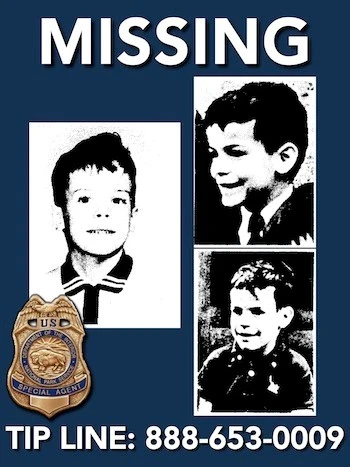
Dennis Martin remains listed as missing by the National Park Service.
Information that could help investigators can be submitted through the NPS Investigative Services tip form or by calling 888-653-0009.
Smoky Mountain Files
Do you have an original photograph or document from the June 1969 search?
Send it through our contact page. We are specifically seeking dated search photographs, rescue-squad records, handwritten maps, volunteer logs and correspondence from people who participated. Include who created the item, when it was made and how it reached you. Speculation without a document will remain outside the reported narrative.
Sources and reporting notes
This article was independently reconstructed from the National Park Service’s current cold-case listing and its 86-page public case file. The file contains the original incident report, daily search chronology, operational statistics, correspondence and later agency memoranda. OCR errors in the online file were checked against the scanned pages before publication.
- National Park Service Investigative Services: Cold Cases — current missing-person listing and official image.
- National Park Service: Dennis Lloyd Martin Disappearance Case File — incident report, chronology, statistics, correspondence and agency review.
- Great Smoky Mountains National Park: Mountain elevations — current listed elevation for Spence Field.
- Brian Stansberry: Appalachian Trail at Spence Field — licensed CC BY 3.0.
- Brian Stansberry: Spence Field Shelter — licensed CC BY 3.0.
Image-use note: The missing-person graphic and incident report come from official National Park Service pages and records. The two Spence Field photographs are used under Creative Commons Attribution 3.0 with the required credit, license link and disclosure of format and size changes.
Corrections: We update Smoky Mountain Files when stronger records become available. Send documented corrections through the contact page with the record supporting the change.