Cades Cove vs. Roaring Fork: Which Scenic Drive Should You Pick?
We asked our Facebook followers to choose between Cades Cove and Roaring Fork. Most refused to pick. Here is what they said about wildlife, timing, and history, plus which drive actually fits your trip.
By Shandi
Travel Expert
Published July 10, 2026 · Updated September 26, 2026
"Cades Cove or Roaring Fork — which one do we drive first?" That's close to a question we actually asked on our Facebook page, along with a few related ones: whether people knew folks lived in Cades Cove until the 1930s, whether Kuwohi or Cades Cove wins for photos, and what the best thing anyone's ever spotted on either drive was. Across six posts, we got more than a thousand comments back.
The most common answer, by a wide margin, wasn't "Cades Cove" or "Roaring Fork." It was some version of "why pick just one?" Enough people said some version of "both" that it beat every other single answer combined. But underneath all the "both" votes were real, specific opinions about what each drive is actually good for, and those are worth digging into if you only have time for one.
Cades Cove: A Historical Perspective
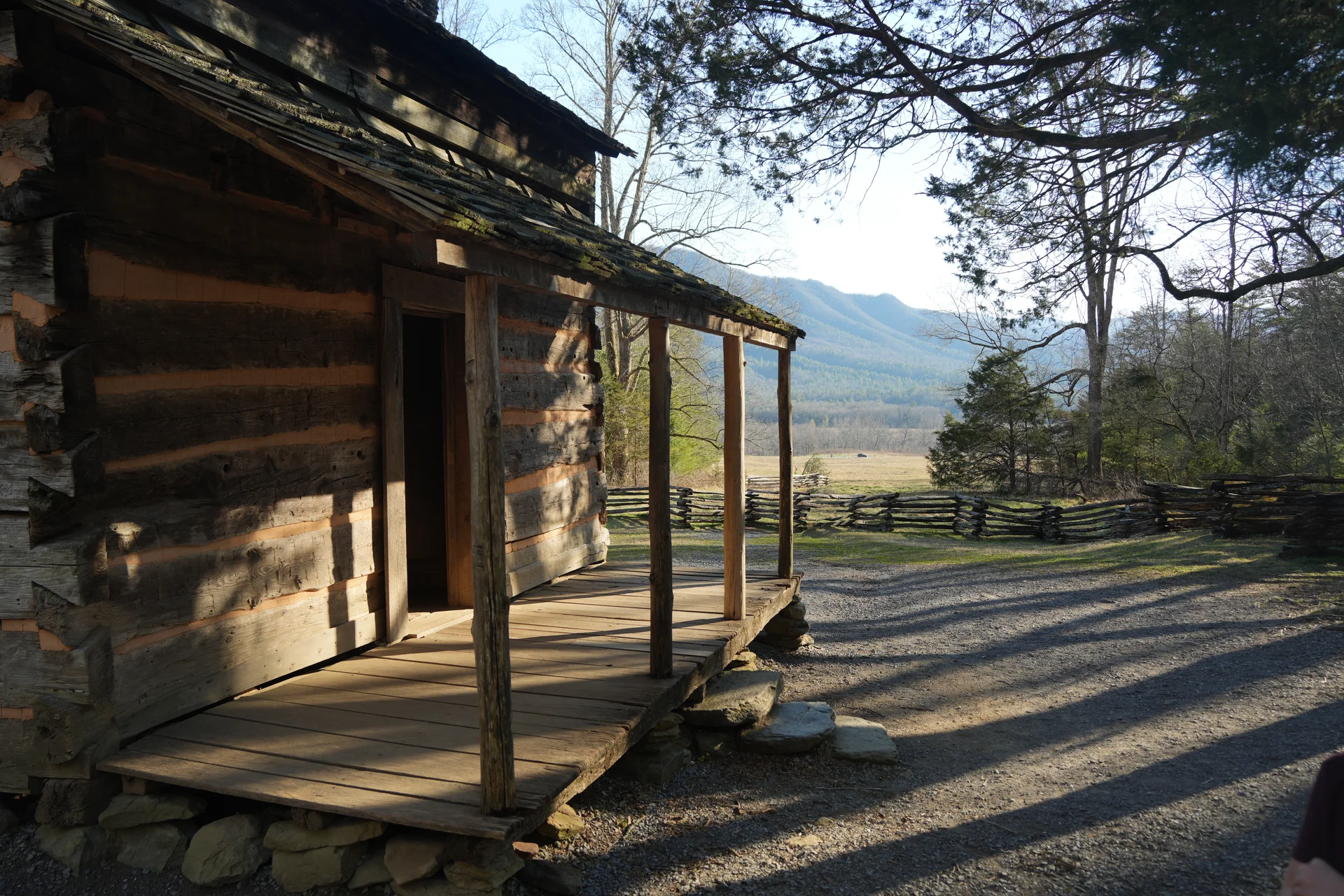
Ask why Cades Cove pulls at people the way it does, and part of the answer showed up right in the comments: a few readers said the draw for them isn't scenery at all, it's family. More than one commenter mentioned ancestors buried in the cove, or described visiting as something closer to visiting a family homestead than sightseeing.
That connection is real, and the history behind it is more layered than the "people lived there until the 1930s" version we get asked about most. The National Park Service started buying out Cades Cove landowners in the late 1920s, and the community did broadly disperse through the 1930s — one of the last holdouts, John W. Oliver, fought the sale for years before finally giving up his property on Christmas Day, 1937. But the cove wasn't empty right after that: the last school there didn't close until 1944, the post office kept running until 1947, and the congregation at the Primitive Baptist Church kept meeting there, without the park's blessing, until 1960.
Even that isn't the whole story. One family, the Caughrons, negotiated a series of renewable five-year leases to move back onto their old homestead, each with a standing clause that let the park evict them on 90 days' notice. Kermit Caughron and his wife Lois lived there under those leases until Kermit passed away in April 1999 — which makes him, not the 1930s families, the actual last resident of Cades Cove.
Roaring Fork gets described completely differently in the comments. Cades Cove reads as open and social; Roaring Fork reads as narrow, close, and quiet. The Roaring Fork Motor Nature Trail itself is a one-way, 5.5-mile loop through dense forest, with the creek running alongside much of it. No buses, trailers, RVs, or vehicles over 25 feet are allowed on it, which keeps it to cars and smaller vehicles only.
Readers were split on what that narrowness actually feels like. Some said the winding road felt a little unsettling at first, but settled into something quiet and worth it. Others found it genuinely stressful in a way Cades Cove never is for them, joking that "peaceful" was the last word they'd use for it. One reader's actual plan for the day: Cades Cove early, downtown Gatlinburg in the afternoon, then back to Roaring Fork for sunset, with a specific tip to park at the first or second big pull-off, since a quiet crowd there makes for one of the better roadside stops in the park.
Not everyone gets a quiet experience out of it, though. One reader who records sound and video there said mornings are usable until right around 9am, and after that, passing trucks and ATVs with loud exhaust pipes make it hard to get a clean recording of the creek. It's the fair trade-off of a free, open road, but worth knowing if you're hoping for solitude.
Roaring Fork stream running alongside the Motor Nature Trail.
Wildlife Viewing: Which Drive Wins?
This is where the comments genuinely split. Several readers told us Cades Cove wins on wildlife by volume for them — more open meadow, more sightlines, more animals overall. A few others mentioned spotting bears on Roaring Fork as well, though that's anecdotal from our own readers, not an official count. Wildlife sightings on either drive come down to luck and timing as much as location, so take any "which drive is better for wildlife" answer, including ours, with a grain of salt.
Best Times to Visit Each Drive
The two loops run on different schedules, and knowing them changes the visit.
Cades Cove Loop Road is open to vehicles sunrise to sunset every day except Wednesdays, when it's closed to cars from early May through late September and left to cyclists and pedestrians only. The Park Service recommends allowing two to four hours to drive the full loop on a day it's open to cars, and readers' own advice lined up with that: get there early, especially on a weekday, for a faster drive and better wildlife odds. If you've got a bike, or want to rent one at the Cades Cove Campground Store and Bike Rental at the entrance to the Cades Cove Loop Road, a car-free Wednesday is the one guaranteed way to skip the traffic altogether. One reader said their preferred way to do the loop is on a bike, and a car-free Wednesday is exactly when that pays off most.
Roaring Fork typically closes for the winter. The exact dates shift a little year to year with weather, so it's worth checking nps.gov/grsm before a late-fall or early-spring visit. Once it's open, dawn and dusk are the quietest times, which lines up with what readers described: the earlier you're there, the more likely you are to have the pull-offs to yourself.
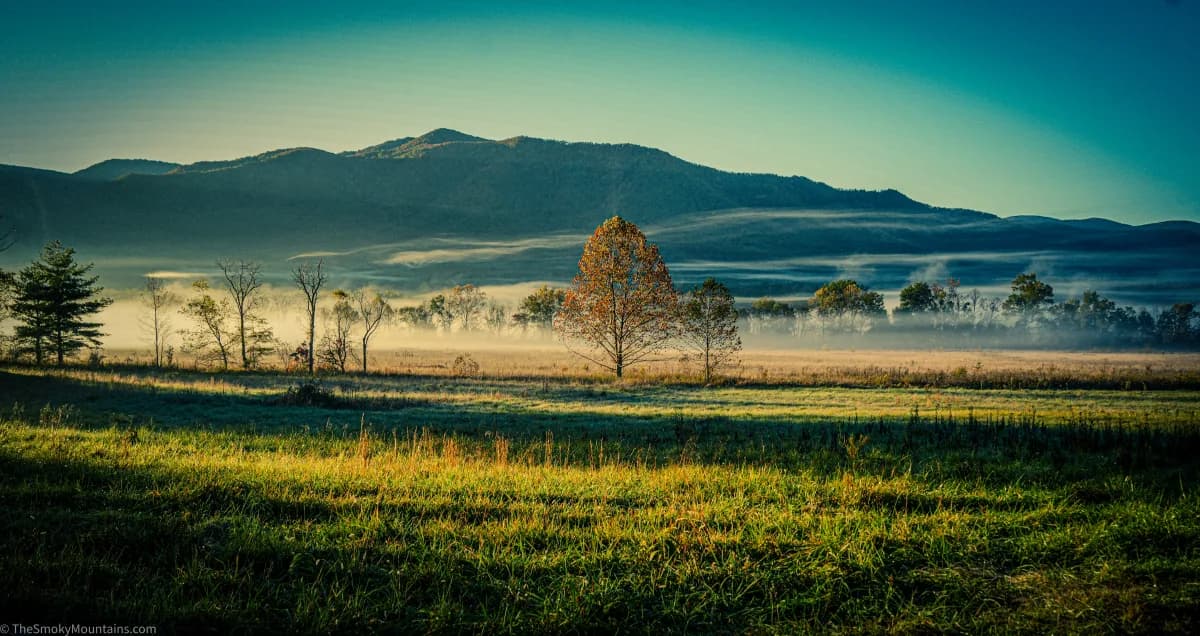
One question we got often enough to mention: Kuwohi (the mountain's original Cherokee name, officially restored on September 18, 2024, in place of "Clingmans Dome") versus Cades Cove for photos. It's not really the same comparison — Kuwohi is a hike up to the highest point in the Smokies, not a driving loop — but if photography is the goal, more than one reader said both Cades Cove and Roaring Fork earn a spot on the camera roll for very different reasons: wide-open valley light in one, dense green cover and moving water in the other.
Ticket Deals
Tickets in Gatlinburg
Our Honest Take: Which Drive Should You Pick?
Given how the comments actually broke down, the honest answer is the boring one: if you have a full day, do both, in the order readers kept describing — Cades Cove in the early morning for wildlife and open views, something in town for lunch, then Roaring Fork toward evening for the quieter, greener half of the day.
If you only have time for one, let what you actually want decide it. Pick Cades Cove Loop Road if you want the better odds on wildlife, don't mind a longer drive, and are drawn to the human history along the way. Pick Roaring Fork Motor Nature Trail if you're short on time, prefer a shorter and more forested drive, and don't mind a narrower, more winding road to get there.
And it's fair to skip both. One reader told us flatly that neither drive interested them — too congested, or just boring compared to the hiking trails deeper in the park — and that's a legitimate take if slow-moving scenic drives aren't your thing to begin with.
If you're staying nearby to make an early start easier, Townsend sits right at the quiet entrance to Cades Cove — Dancing Bear Lodge is a good boutique option a few minutes away, or browse cabins in the area (code TSMFRIENDS gets a discount) if you'd rather have your own kitchen. For the parking tags and full traffic breakdown on Cades Cove specifically, we cover that in more detail in our guide to beating the Cades Cove traffic.
FAQ
Did people really live in Cades Cove until the 1930s?
Mostly. The National Park Service began buying out Cades Cove landowners in the late 1920s, and most families had left by the late 1930s. But the community didn't fully disappear then — the last school closed in 1944, the post office in 1947, and one family kept renewing a series of five-year leases that let them keep living in the cove; the last of them didn't leave until 1999.
Is Roaring Fork open year-round?
No. It typically closes for the winter, though exact dates shift from year to year with weather — check nps.gov/grsm before a late-fall or early-spring visit.
Which is better for wildlife, Cades Cove or Roaring Fork?
Depends who you ask, and there's no official count to settle it. Readers most often picked Cades Cove for wildlife overall, thanks to open meadows and better sightlines. A few also mentioned spotting bears on Roaring Fork, but that's anecdotal, not a verified ranking.
Can I do both Cades Cove and Roaring Fork in one day?
Yes, and it's what most of our readers actually do. The most common plan we heard: Cades Cove early in the morning, something in town midday, and Roaring Fork toward sunset.
Planning a Smokies trip?
Save what's useful here, then check stays before dates fill up.