
The Scope of the Problem
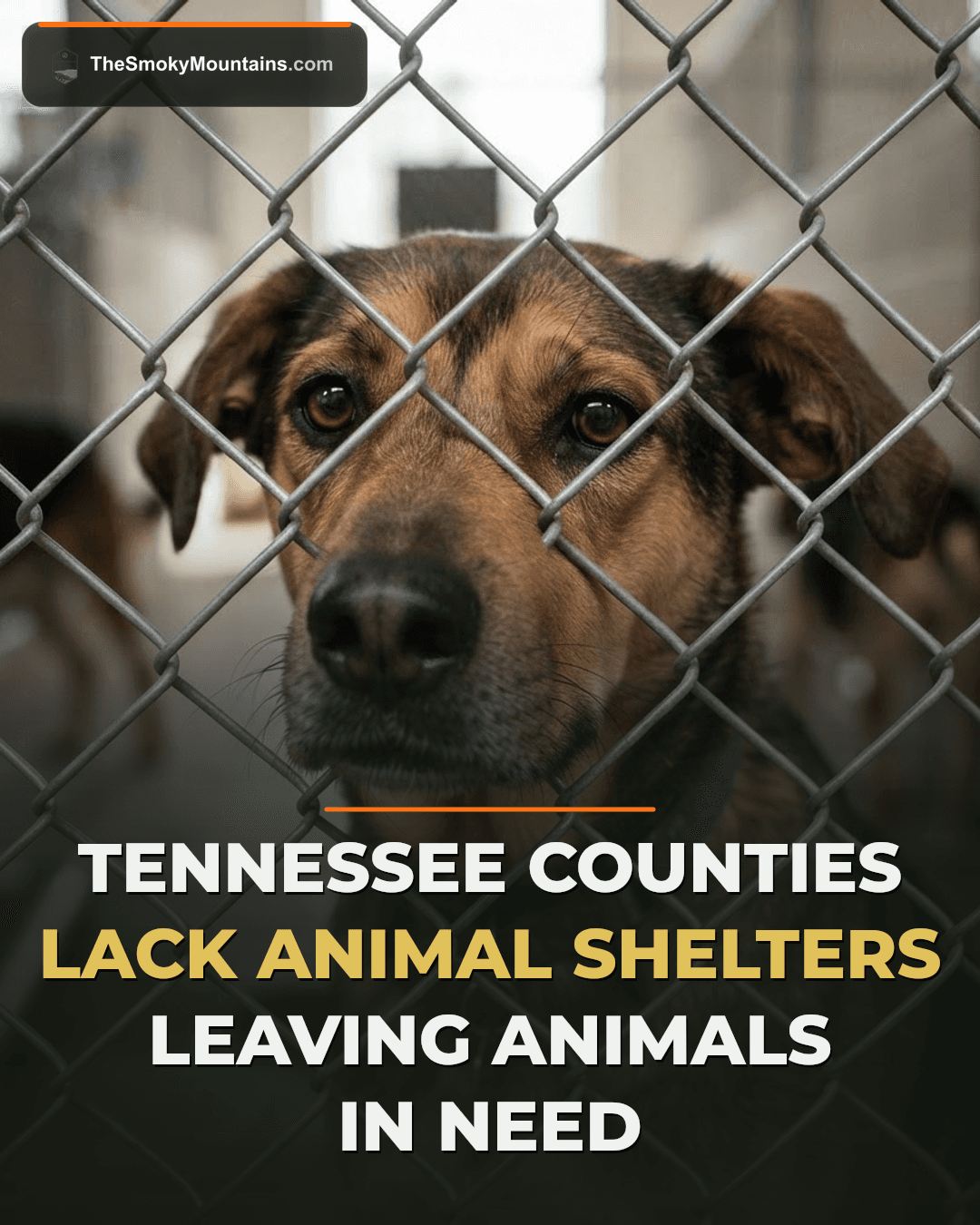
Roughly 30 to 32 of Tennessee's 95 counties, including rural areas like Clay, Pickett, Houston, and Van Buren counties, operate without a public animal shelter. In these areas, animal control duties typically fall to local law enforcement, which lacks facilities to house seized animals. This forces a reliance on already-overburdened foster networks and rescue organizations, which are frequently at capacity.
Impact and Current Response
The absence of shelters creates a domino effect, placing significant pressure on counties that do have facilities. Officials in counties like Anderson and Roane report frequent requests to accept animals from neighboring shelter-less counties, straining their own resources and budgets. Independent rescue groups serve as a critical stopgap, but a high-profile case in Perry County in July 2026—where over 30 seized dogs had to be sent to seven different rescues across three states—illustrates the system's fragility.
Legislative Action and Financial Hurdles
In the 2026 legislative session, a bill (HB 2764/SB 2891) was introduced by Rep. Darren Jernigan and Sen. Becky Massey to create a state task force. The group would study the issue and develop recommendations for a statewide shelter system. Advocacy groups like the Tennessee Animal Welfare Alliance emphasize the need for a sustainable state funding model, such as grants, to help counties build and operate shelters, avoiding an unfunded mandate.
The primary barrier is cost. A 2025 University of Tennessee study estimated startup costs for a basic facility between $500,000 and $1.5 million, with annual operating budgets exceeding $200,000—a significant challenge for rural county budgets. Some lawmakers and officials have expressed concerns about state overreach and the potential taxpayer burden, preferring local control and voluntary cooperation.
What's Next
The proposed task force bill remains in committee for the 2027 legislative session. Advocates are planning a 'Day of Action' at the state capitol in January 2027 to lobby for its passage. Potential solutions under discussion include creating regional multi-county shelters and establishing state-funded transport programs to move animals from underserved areas to facilities with available space.